Been using my high chair a lot lately since I let go of my old one.
Started getting back aches because of it lol. No choice but to get this ergonomic chair.
Really liking the comfort so far!

Short thoughts, work in progress, lessons learned, & the occasional personal update.
Been using my high chair a lot lately since I let go of my old one.
Started getting back aches because of it lol. No choice but to get this ergonomic chair.
Really liking the comfort so far!
The PHP2Shell vulnerability was all over the news this week. Hostinger emailed to say they tested it against their live servers and my sites weren’t affected, and they’re applying the PHP fix automatically anyway.
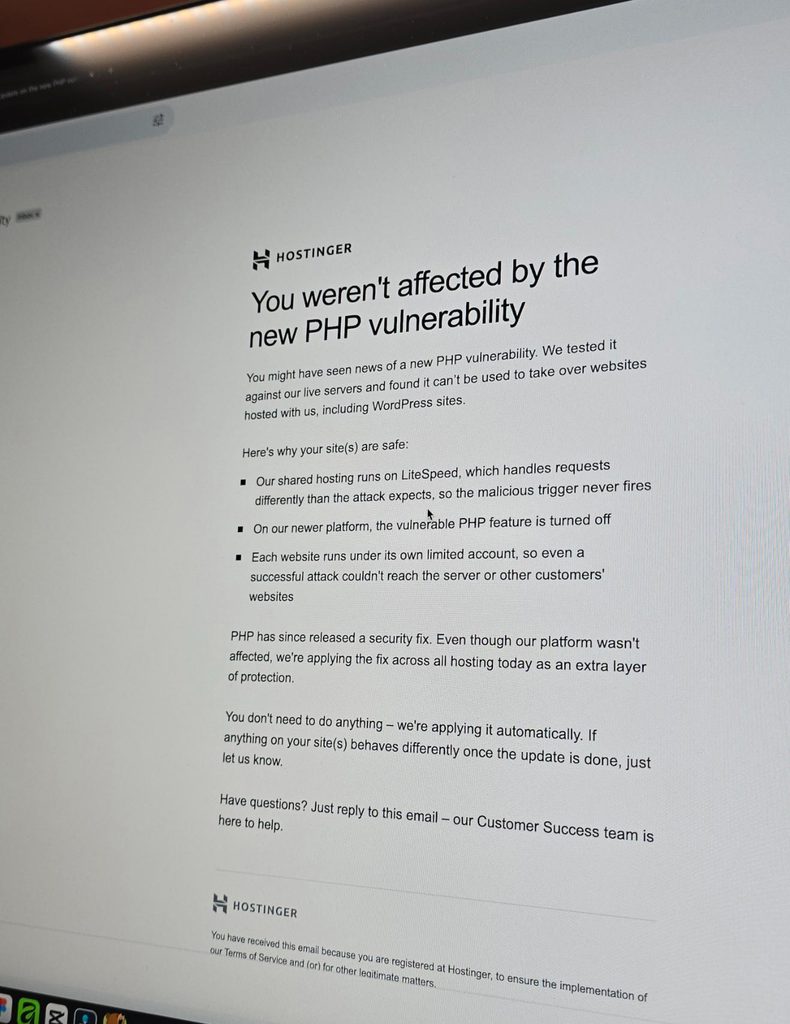
I guess getting good hosting isn’t so bad after all. That assurance really helps in this kind of issue.
It’s been a while since I worked outside of WordPress. Just finished a Wix project for a healthcare practice, working on some of the design refinements and consistency fixes.
The way you build on different platforms really does differ.
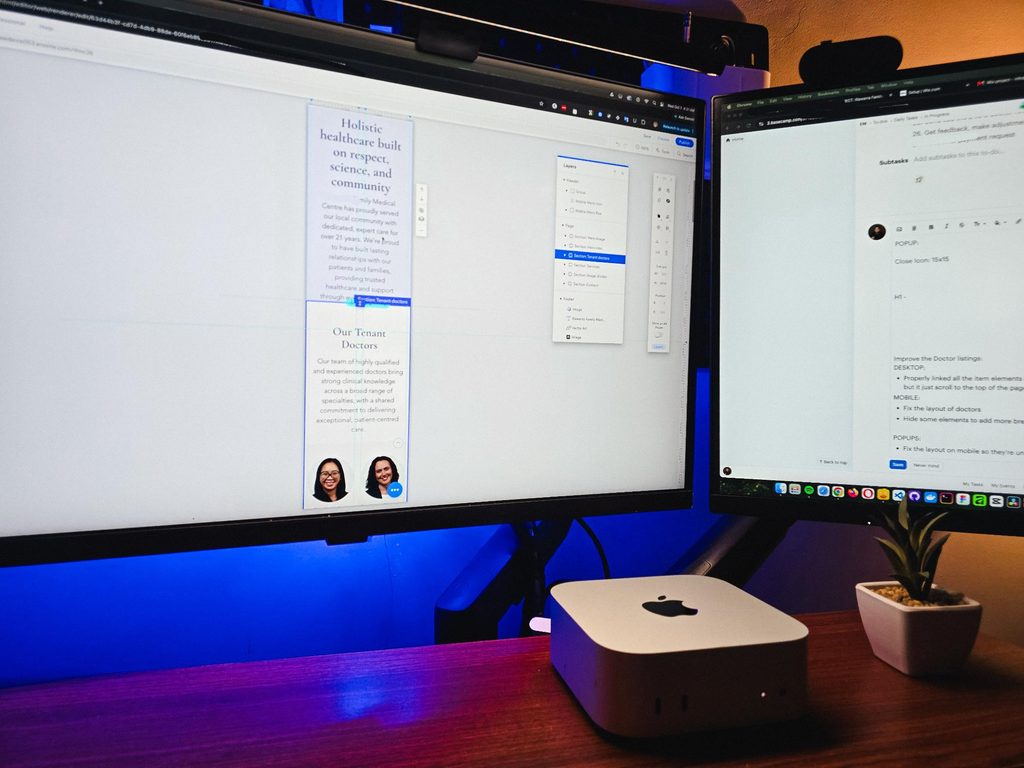
I guess that’s one of the harder parts of freelancing, you need to adapt fast. Enjoyed working on it though.
Recently visited my fiancée’s family, so I got some time off from this workstation and worked from somewhere else for a bit.
That’s one of the things I’m really grateful for with freelancing. You have the freedom to bring your work anywhere and get a change of scenery when you need it.
But yeah, good to be back at this little workspace!

Got my new eyeglasses! Been trying to take better care of my eyes since they take the most stress in this kind of work. So I make sure to get them checked from time to time.
Also, I always go with transition lenses. Just being practical 😅
Classy and functional at the same time!


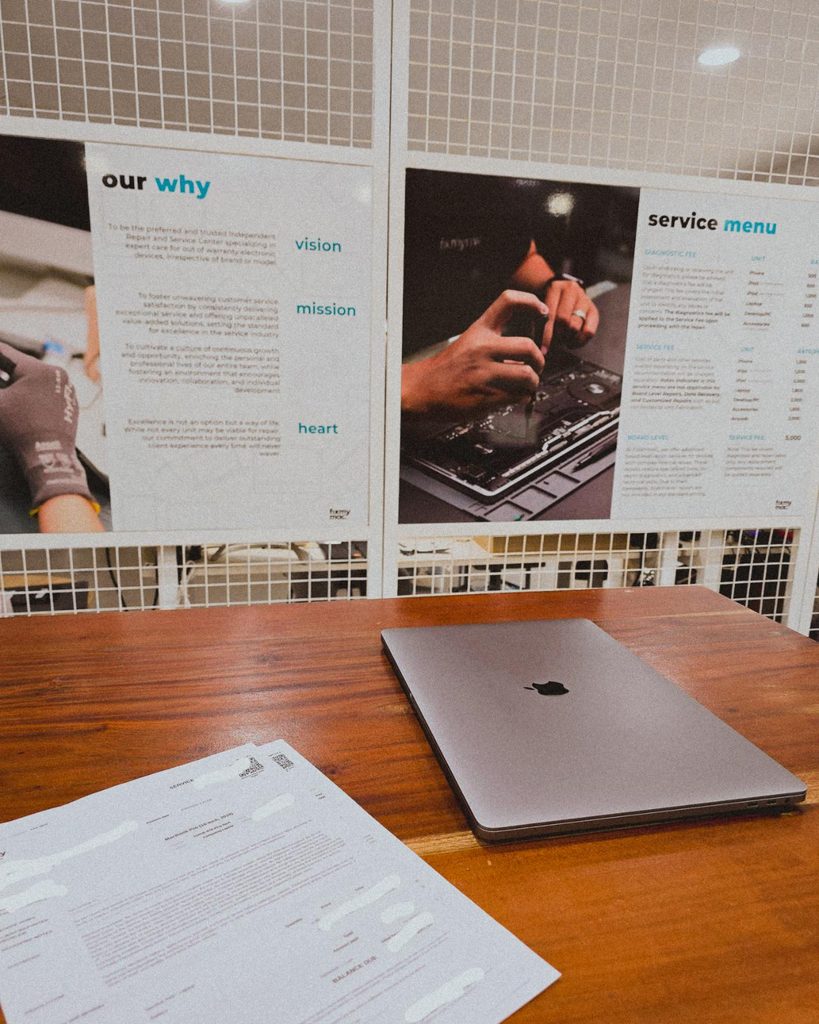
Being a freelancer taught me that you need a backup for everything. Projects, internet, even your computer 😀. Since my main machine is a Mac Mini running the M4 chip, I just needed this laptop repaired as a backup.
But with all the AI integrations these days, PCs and laptops are getting expensive. Even the repairs!
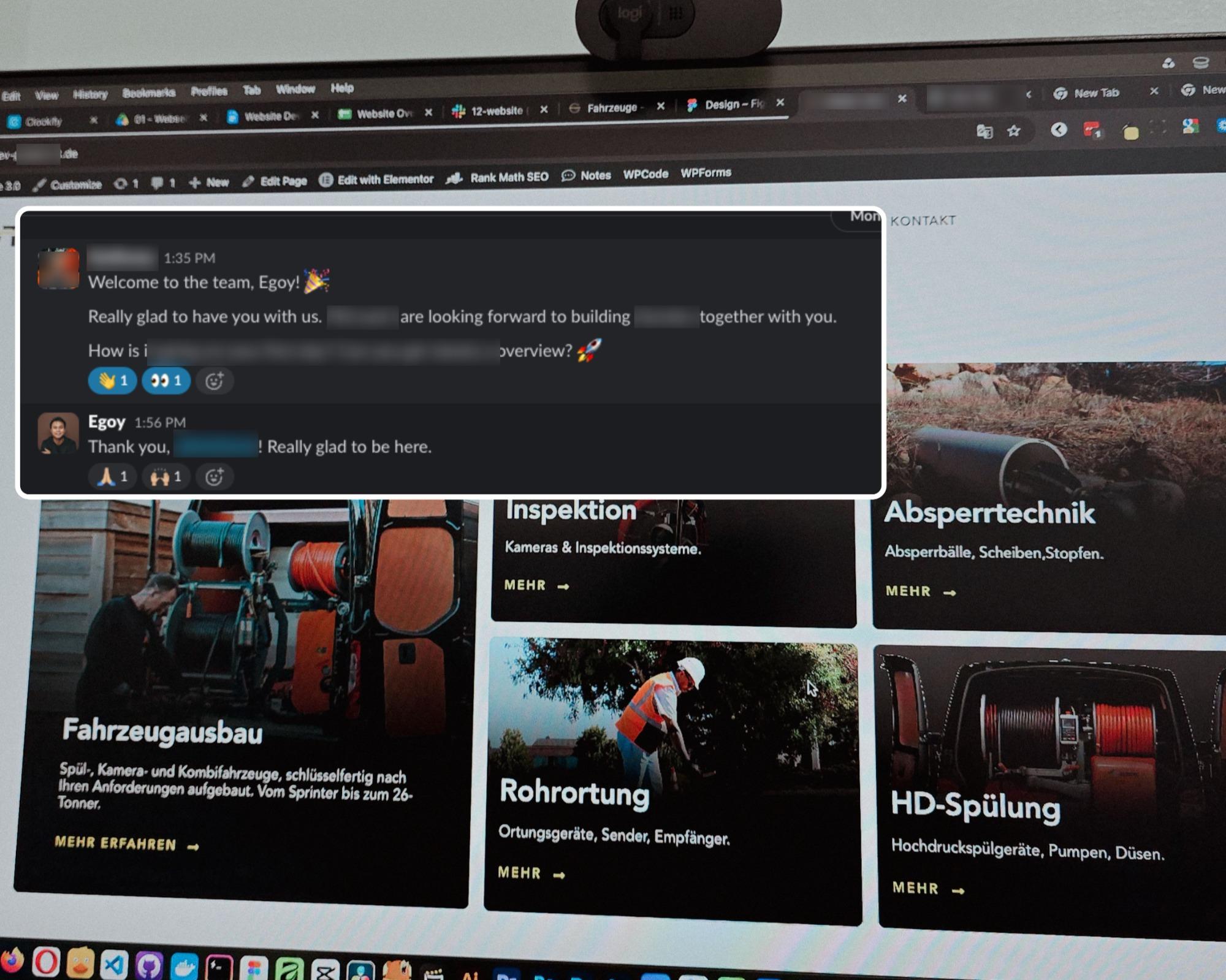
I’m continuing an Elementor project, and I can see myself building custom solutions around it again.
For growing sites with heavy dynamic data and conditional layouts, it’s not really its strongest area.
But it’s still great for marketing sites and for less technical users. Also noticed it now has an MCP, which is a nice plus if you’re using AI.
8 structured data systems in one project. Connecting and strategizing everything so it all works from day one.
I guess freelancing feels fulfilling once you’re done with this kind of project. But the process behind it? That’s a bit overwhelming.
This time I’m not starting from scratch though, the previous provider left it at about 15% progress so I’m just picking up where they left off.
The only real challenge? The language. Shifting from English to Deutsch 😅
Hallo zusammen 👋
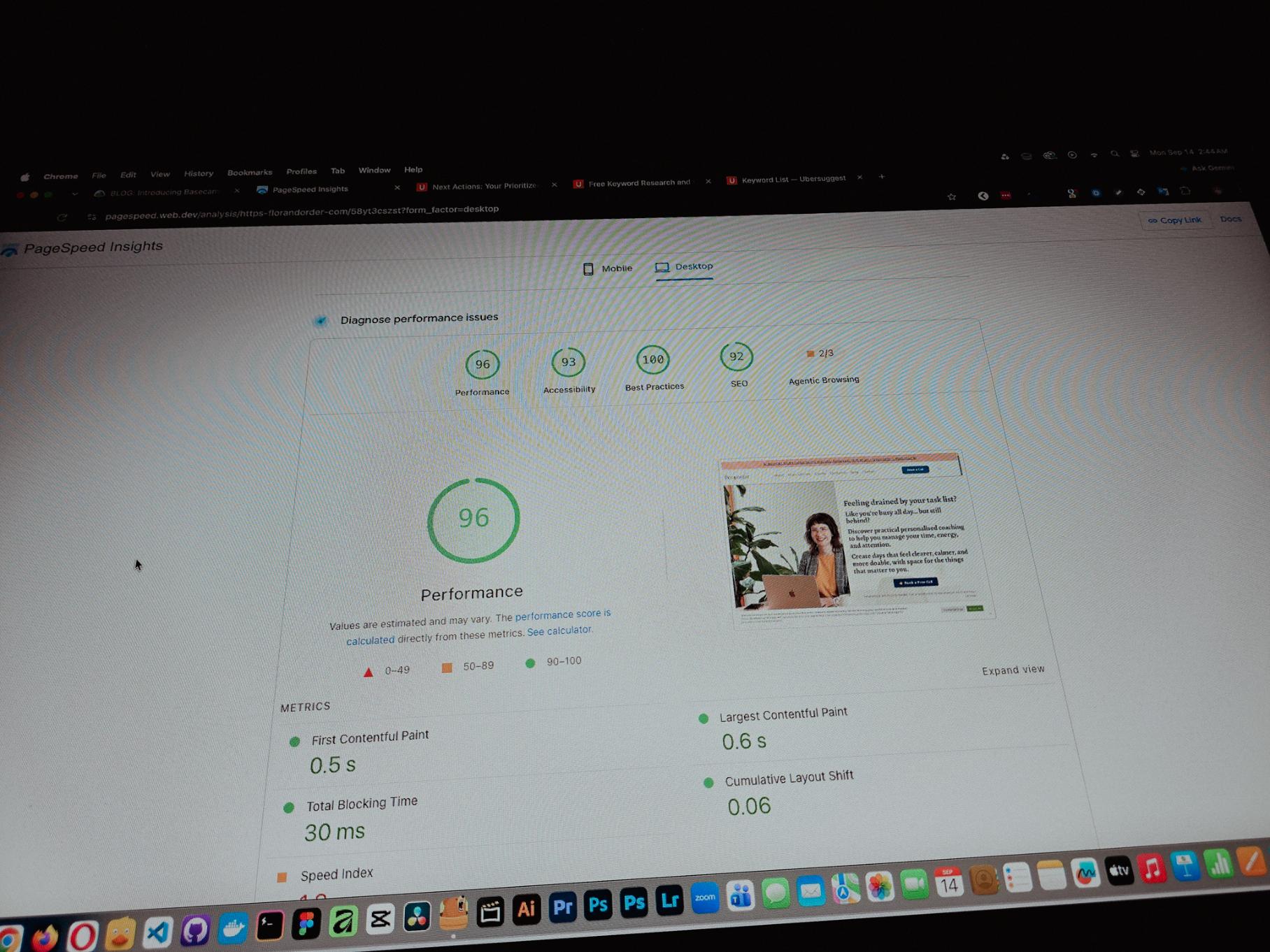
Currently working on one of my monthly site care tasks, checking the speed of a client site. And it’s still performing well. These routine checks don’t look exciting but they keep things running the way they should.
Speed is one of the hardest things to improve on a website because there are so many factors like server, how the pages are built, and the tools used to build them. But I’m still glad I was able to improve this one.
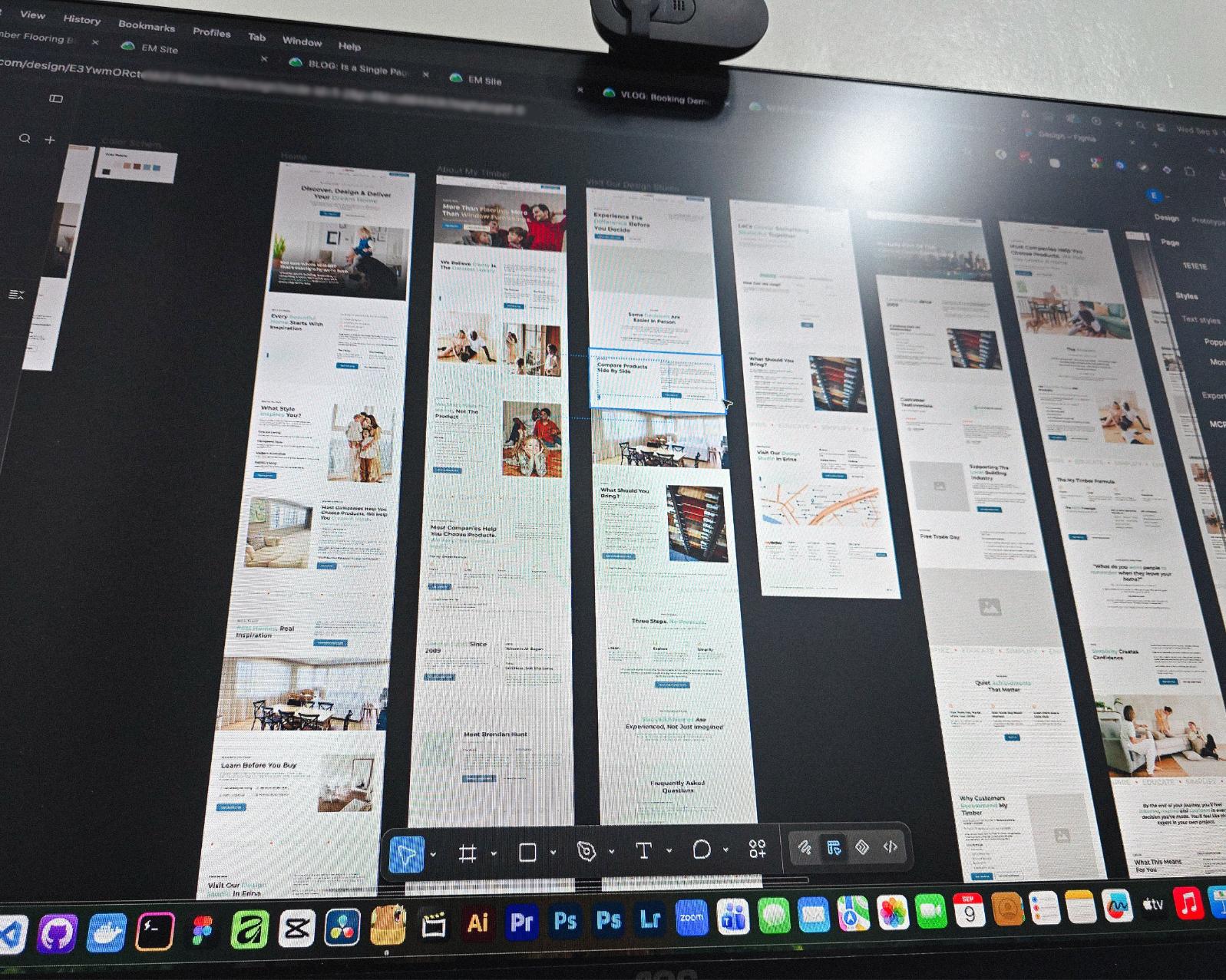
One thing you can’t really control when handling projects is the timeline. It can shift at any point, especially when you’re working with trade businesses.
I’ve tried the more popular ones, but Basecamp is still one of the most straightforward tools out there.
Btw I’m almost done with a new post on how I onboard client projects using it.
Since I left my corporate job last year to go full-time freelancing, I’ve been putting a lot more effort into this website.
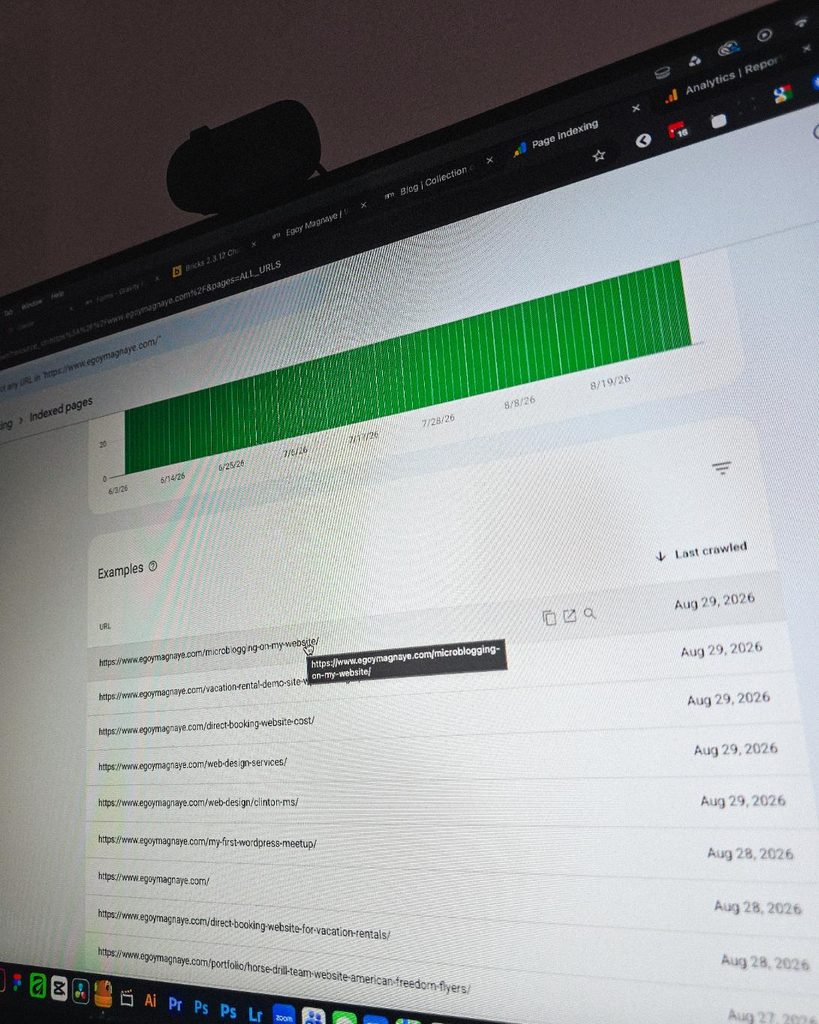
Just added a new post and it got indexed almost immediately.
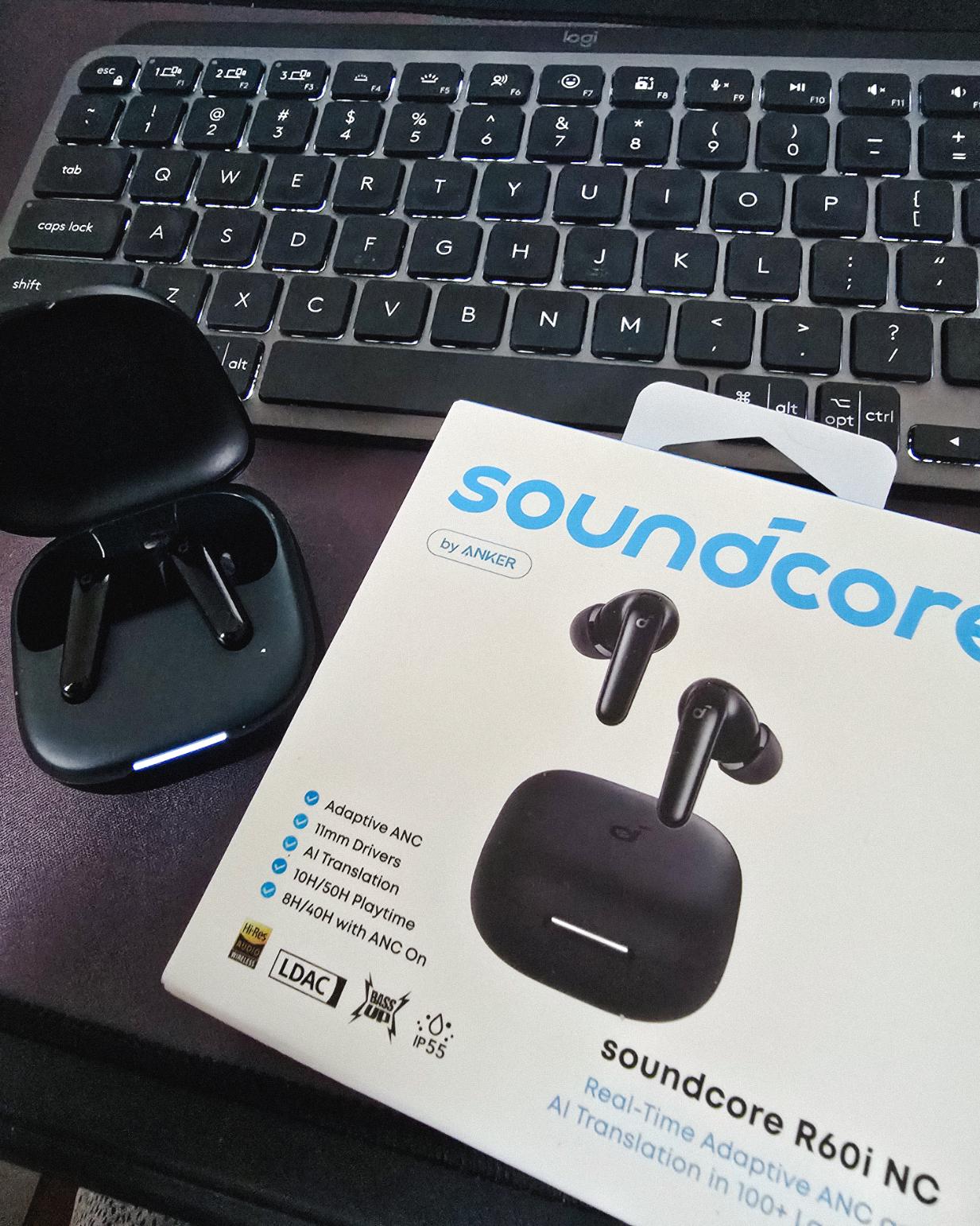
Got my new earbuds from Anker and I’m really liking the noise cancellation so far. Been using the one from Baseus for 2 years and it finally needed a replacement.
Looks small but this pair really helps when I need to focus.
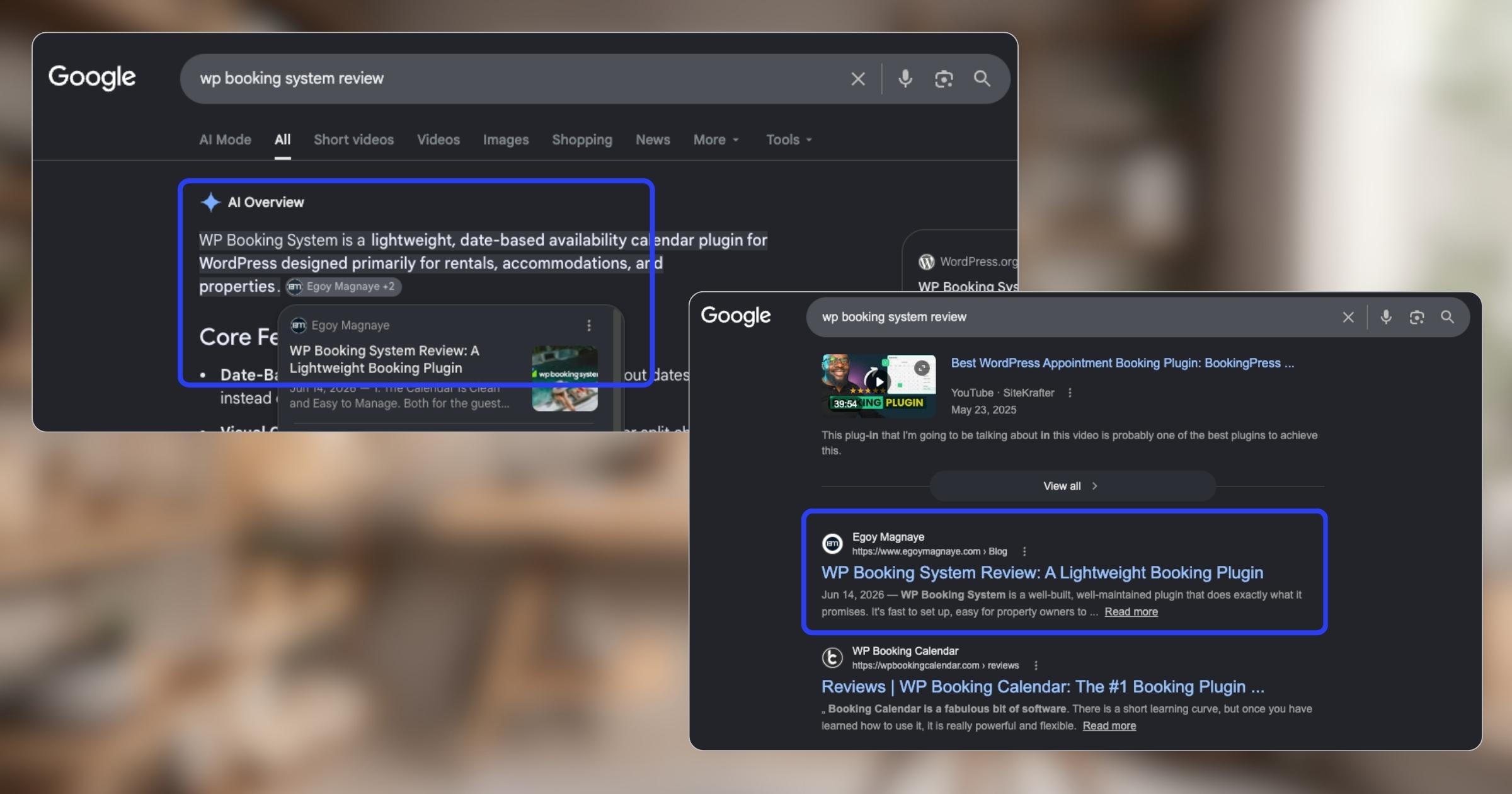
My WP Booking System review is now showing up in AI Overviews and SERP, just like my Bricks Builder one. Been ranking for both too.
Found some old clips of my website designs done on Adobe XD. Different versions of my site over the past 10 years. A lot of testing and trial and error. It’s been a journey.
Had to switch to Figma with all the issues around XD being phased out.
I can’t remember if they’re going to post recordings of the 2-day event, but I was still able to gather some insights from my phone and memory 🙂
Here’s the new blog about HighLevel Live Manila.

Since I’ve already added more than 10 notes, I can say I’m really liking this new feature on my website.
See the full post on why I added microblogging to this website.
Nah maybe a discount 😅
But seriously, if you’re going with WordPress, at least use a solid page builder like Bricks (my bias), Beaver, Divi, or Elementor. Launching a site is just a small part of it.
Building new pages and optimizing over time is the long game, and your site builder matters for that.
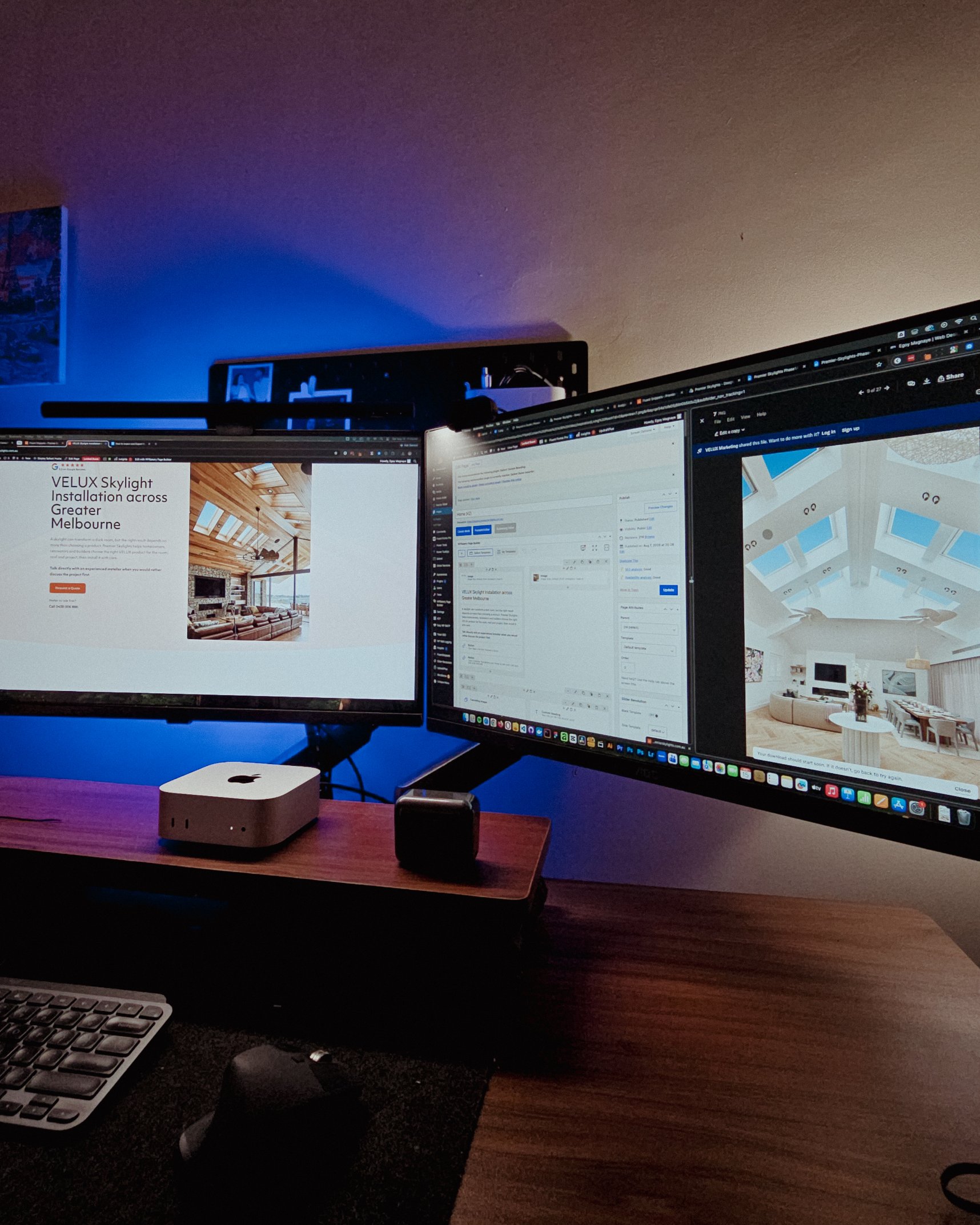
Looking at these skylight photos all day got me thinking. What’s it like living in a house with a transparent roof like that? Then I imagined having one here in PH. Sounds great when it rains. Then summer hits 😂
jk, these skylights are actually automated and packed with features.
Reader Disclosure
Disclosure: I may occasionally include affiliate links in my posts or pages. If you click on one of these links and make a purchase, I may receive a small commission, which helps me keep this website running and create more useful content. However, this does not affect my opinion on the product or service in any way. I only recommend products and services that I truly believe in and use myself.
As a web developer, it is essential to have the ability to be agile and adaptable when creating a website. This helps to ensure that my end product is of good quality and meets all of my client’s necessary requirements. I have been developing websites for nearly 10 years and have had the opportunity to use some of the best website builders for my WordPress projects. From drag-and-drop editors to coding platforms, I have tested out many different tools in order to find the most efficient and effective way to build websites.

I have come to understand the advantages of each platform and I can share my insights for anyone looking for an easier way to develop sites. In this article, we will mainly focus on my most-used page and site builders.
If you want to skip my introductory information about website builders, you can proceed to my top recommended WordPress site builders, which I have used for most of my client projects and jobs.
Website builders are a great way to get your business online quickly and easily. As the name implies, these tools provide a range of tools and features that make it easy to create a website without any coding knowledge.
Some of these tools have a drag-and-drop feature, while others require you to configure certain settings before you can use them on your website. There are also numerous free website building tools on the market, but some of them come with limited features, depending on what you need.
One of the major advantages it brings to the table is that it allows someone to build a website without any coding experience. This can be especially beneficial for people who don’t have access to developers or the ability to hire a web design agency.
Popular site builders feature a convenient drag-and-drop interface that makes it easy to customize your web pages and elements quickly. You can add features such as contact forms, galleries, video playlists, and even e-commerce functionality.
Another great benefit of using it is its ability to provide various customizable pre-defined templates that can be used right away. There are marketplaces where you can get or buy well-designed templates for your specific niche and industry. You can use and install these templates instantly on your website.

Site builders are great tools to have in your arsenal, enabling you to create stunning websites without burning a hole in your pocket. They save time & money plus provide powerful features for easy content management. Overall, using a website builder makes the web development process simpler and quicker.
When choosing a website builder, there are several key factors to consider, such as the cost, the features offered, the ease of use, and the customer support available. Here are my top features to consider:
When I say “entire website” I’m not just referring to each page of your website. A good site builder can even build your global sections, such as the header, footer, and sidebars. It can also help you easily build dynamic pages, such as your blog post and product pages.
A contact form is an essential tool for any business website. It helps you quickly and easily connect with potential customers, gather valuable feedback, and provide customer service. Using a contact form can save you time and energy by streamlining communication with your customers. The right website builder can help you build contact forms instantly without the need for third-party plugins.
Let’s accept that if you want to build a beautiful, stunning website, you need more than just adding text and images. Your page builder must have a wide selections of elements, such as video embeds, maps, pricing tables, galleries, social media icons, e-commerce widgets, and more.
Popular page builders are continually improving their user experience by providing easy-to-use platforms for their non-techy users. By doing this, it eliminates the need for coding knowledge and allows users to customize their pages with drag-and-drop features. Anyone can quickly create and manage a professional website without any technical know-how.
This is actually a very important one, because even with popular drag-and-drop builders, layout quirks still come up. On Wix, for example, I had to track down a hidden strip that was causing extra white space between sections on mobile.
The main purpose of a site builder is to help you easily build web pages, but what if you need more than that? What if you want to sell a product on your website? What if you want to build a directory website? Or, what if you want your users to subscribe to a newsletter by email? These are some of the improvements and functionalities you can add to your website to help your business grow. And a good site-building platform should also support the integration of external functionalities.
As a developer, I often work with new platforms and tools that I am not initially familiar with. Therefore, having good documentation and product support is essential for understanding the tools better and helps me troubleshoot any issues that may arise. A website builder with good documentation and product support also ensures that you have access to all the necessary information to help you use and maximize it effectively.
Now that we have discussed the reasons why you might need one, let’s proceed with my most-used & popular website builders available for you to use.
Before I used Bricks Builder, I mainly worked with Elementor projects. Now, Bricks is my new favorite WordPress page builder. I’ve been using it for almost three years, and it powers my own portfolio website. I use this page builder, whenever I start a new website project. It’s perfect when I need to do heavy design work or build pages with dynamic content.

I just wrapped up a website project for a hotel and resort. They wanted a booking system on their site with lots of dynamic content. I used Bricks because it makes this kind of work easier. Now my client can update their content without worrying about breaking the booking features or security.
I also recently built a microblogging feature on this website using only Bricks and minimal code. It’s a small addition, but it shows how flexible Bricks can be beyond just building pages.
Here’s what I love about it:
I also wrote a dedicated post explaining why I love using this WordPress page builder and why it’s my preferred choice. Focusing on Bricks for this long is actually one of the things that helped me show up in Google and AI search results as a Bricks developer.
Right now, based on their current pricing page, Bricks has a lifetime deal for $599 that covers unlimited sites. If you run a digital marketing agency or build sites often, this is a solid choice. But if you just need it for one site, the annual license costs $79.
Tailored to how your business works, so the right people find you and know exactly what to do next.
Includes 3 months of site care after launch.
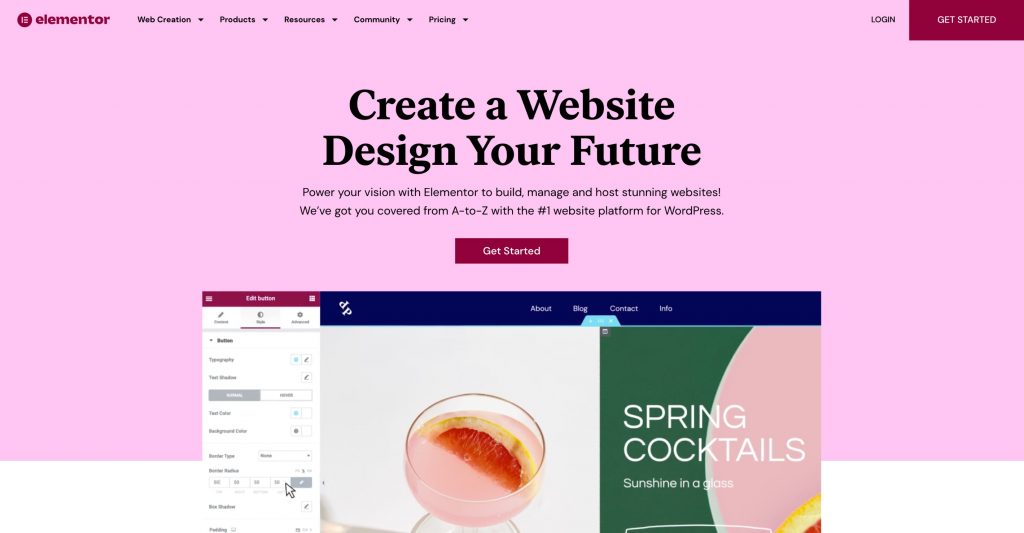
This has become my second favorite WordPress builder. It’s still easy to use and highly customizable. I’ve still been able to use it for some projects and freelance work, especially since Elementor remains widely used and popular to site owners.
Elementor has a free tier that offers over 40 free widgets for you to use in your website building process. Honestly, the free 40+ widgets can already help you build well-designed web pages out of the box.
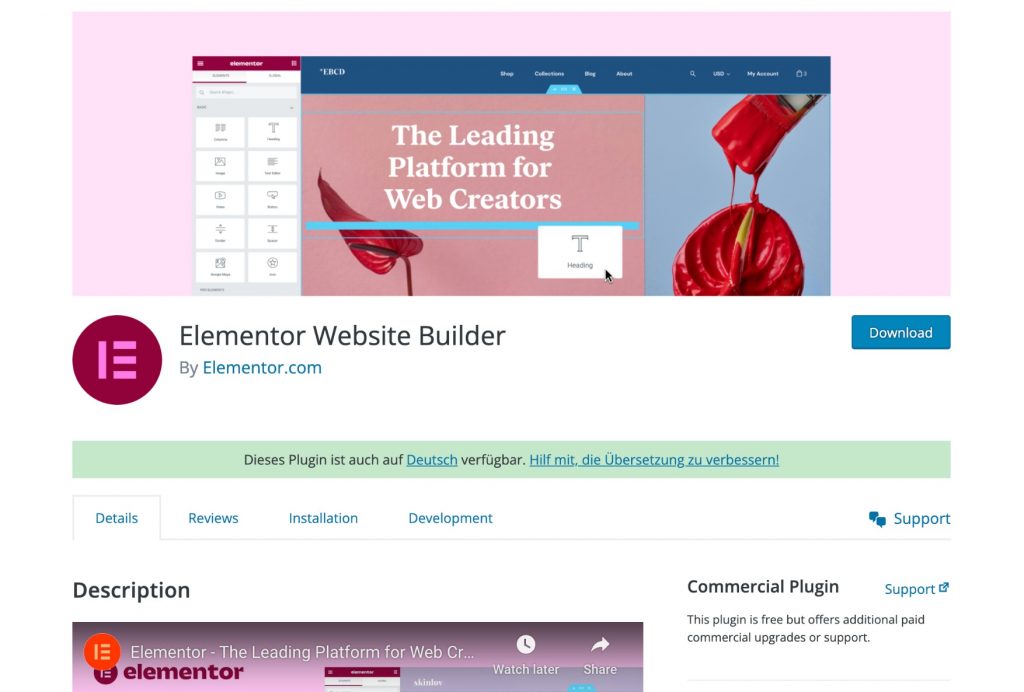
If you want to take your website to the next level, then the premium version of this website builder is your best option. Most of the projects listed on my portfolio use the premium version, and I always suggest to my clients to use the pro version, as it offers a lot of advanced widgets that they can use for their website.
Here are my favorite features of Elementor Pro:
How much does Elementor Pro cost?
At the time of writing this, Elementor Pro offers four tiers of plans for their premium website builder plugin. The plan starts at $59 per website only, which clearly the best option if you only have one website. This is the plan that I am also recommending to my clients. The other three plans are for web design agencies and developers like me because they offer more licenses to use.
It is worth mentioning that you need a WordPress website running before you can use the Elementor page builder. Therefore, you must set up a domain name, web hosting, and the WordPress CMS. If you don’t have a WordPress website yet, Elementor offers Managed WordPress Hosting, providing all the necessary elements to build a fully functional website in one place.
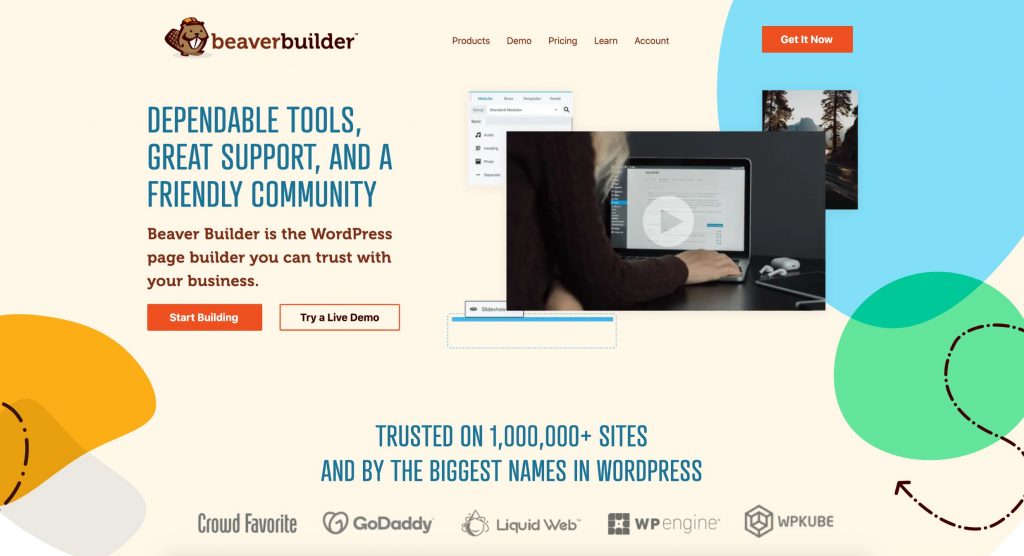
I am using Beaver Builder to build websites in my new job as a front-end web developer. Although I haven’t used this website builder for my personal clients’ projects, I still love how easy it is to work with and build sites.
Beaver Builder also has a lite version that offers standard widgets and other features to help you build your webpages. But if you want to unlock its full potential, you should check and try their premium plans.
There are two things I want to emphasize for this website builder. If you are planning to have one website solely for business purposes, you may not find this site builder to be beneficial; however, you can still use it to build your website if you prefer.
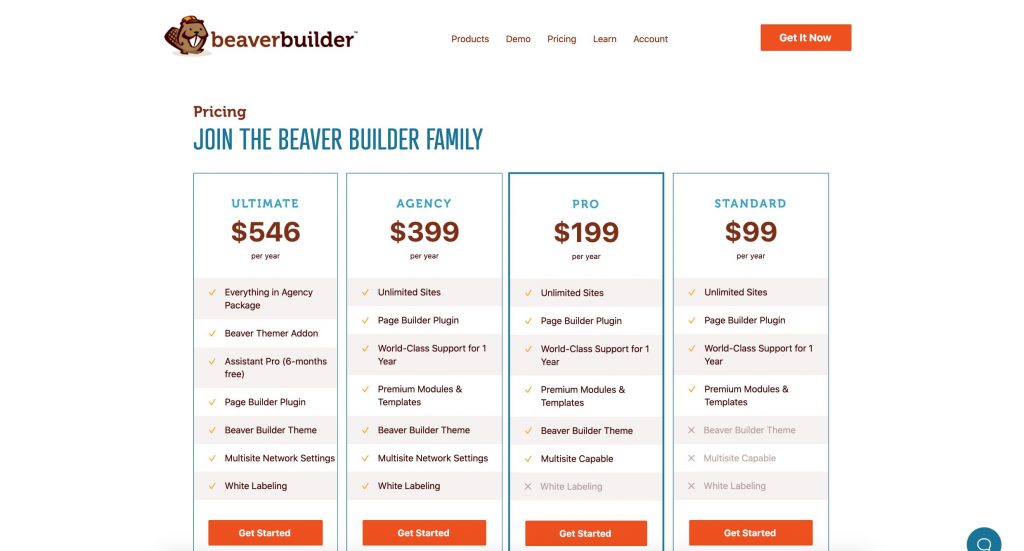
But if you plan to own a lot of websites in the future, then this builder will be worth your investment. If you’re going to check their Pricing page, they are offering unlimited website licenses in every plan, it starts with $99. This is actually a great place to start if you want to launch an agency and provide web development services.
Beaver Builder has been in the WordPress market since 2014, and many templates and third-party add-ons have been developed to make it one of the best site builders. Two of the most popular third-party add-ons are PowerPack and Ultimate Addons.
I recently joined a web development team and we love using it. Not just us actually, their clients love it, too, because it’s easy for them to manage their content and the overall website.
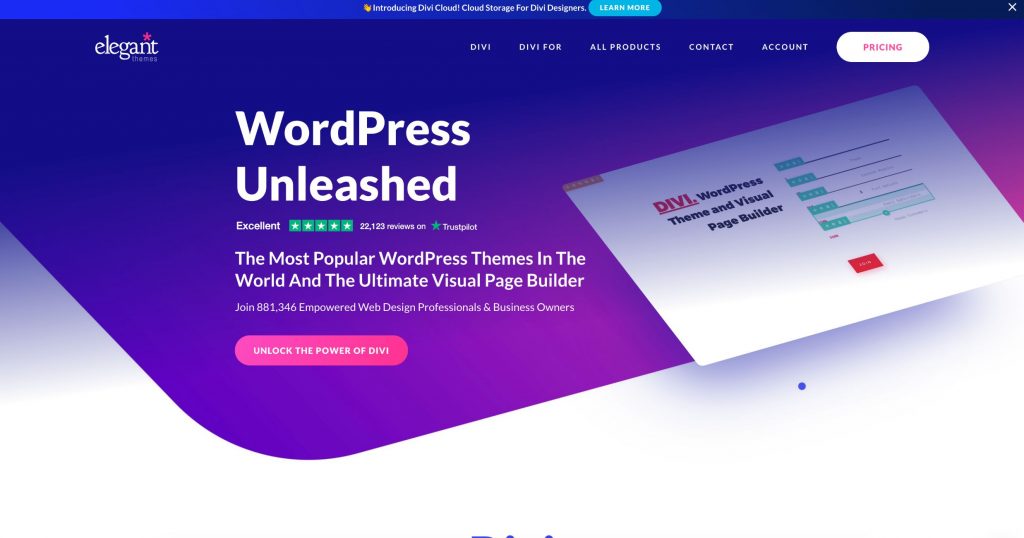
Divi is the first website builder I used when I started building websites with WordPress. Although I haven’t used it for a full project in a while, I still find its user interface to be very good for building modern websites. I’m only using it for partial client tasks and existing websites that were built using Divi.
Honestly, I stopped using it for building full projects before because it lacked the features I was looking for in a page builder. However, I noticed many improvements they have added to their platform recently. The major feature they have added, is the ability to build every part of your website, such as the header, footer and custom post templates. This feature will enables you to easily build websites without having to write any code.
Additionally, Divi has created modules for Woocommerce, allowing you to build your online shop using an easy-to-use drag-and-drop feature. You can customize the look of your product pages, account pages, shop pages, and more.
Unlike the first two site builders on this list, Divi doesn’t have a free tier; if you want to use this site builder, you will need to purchase the premium plan. The pricing is very generous; for all their website building products, you only need to pay $89 and you will have an unlimited license, allowing you to build an unlimited number of websites.

There are three requirements before you can use these site builders:
1. Website Hosting – Web hosting is a service that allows organizations and individuals to make their website accessible to the public via the internet. Think of it as computer that is globally available for your customer. It is an essential part of creating and maintaining an online presence, as it provides users with a platform to store their website’s data and files.
There are some top-of-the-line companies offering reliable, secure and affordable web hosting services. I use popular web hosting companies such as Hostinger, SiteGround and WPEngine for my clients and work.
2. Domain Name – A domain name is a unique address used to identify your website or business on the internet. It is the cornerstone of any online presence and acts as an identifier that helps customers find your website. With this in mind, it’s important for businesses to choose a memorable and relevant domain name that will help them stand out from their competition.
3. A fresh install or an existing WordPress CMS – Since these website builders are dedicated to WordPress, you need to have a working WordPress content management system installed on your web hosting. WordPress is a popular content management system, used by 43.2% of all business websites on the internet.
I work with businesses to build sites that are easy to manage and actually bring in leads.
Start with a free site audit · No commitment
Developing a website nowadays doesn’t have to be difficult; you just need the right tools and platform to launch your business online much quicker. There are many website builders in the market, but I prefer these tools most of the time, due to their cost-effectiveness and ease of use.
Website builders allow you to develop websites easily, as compared to traditional coding. You can actually deploy a fully functioning website without needing to know how to code.
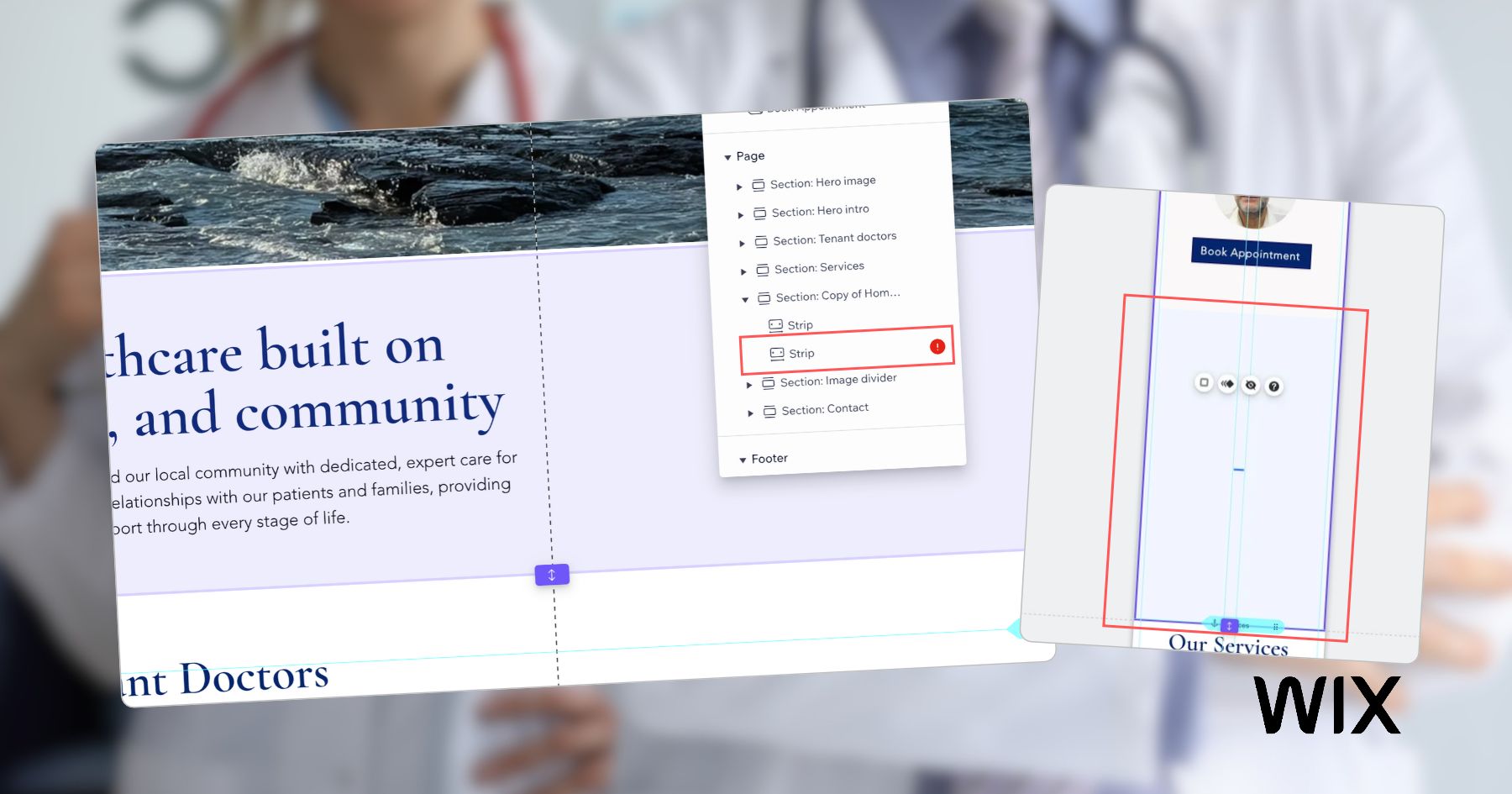
A quick method for finding and removing the hidden strip causing unnecessary white space between…
How my web design client onboarding stays organized from day one using Basecamp & what…

I just went there hoping to learn something new, but the 2-day event turned out…