Been using my high chair a lot lately since I let go of my old one.
Started getting back aches because of it lol. No choice but to get this ergonomic chair.
Really liking the comfort so far!

Short thoughts, work in progress, lessons learned, & the occasional personal update.
Been using my high chair a lot lately since I let go of my old one.
Started getting back aches because of it lol. No choice but to get this ergonomic chair.
Really liking the comfort so far!
The PHP2Shell vulnerability was all over the news this week. Hostinger emailed to say they tested it against their live servers and my sites weren’t affected, and they’re applying the PHP fix automatically anyway.
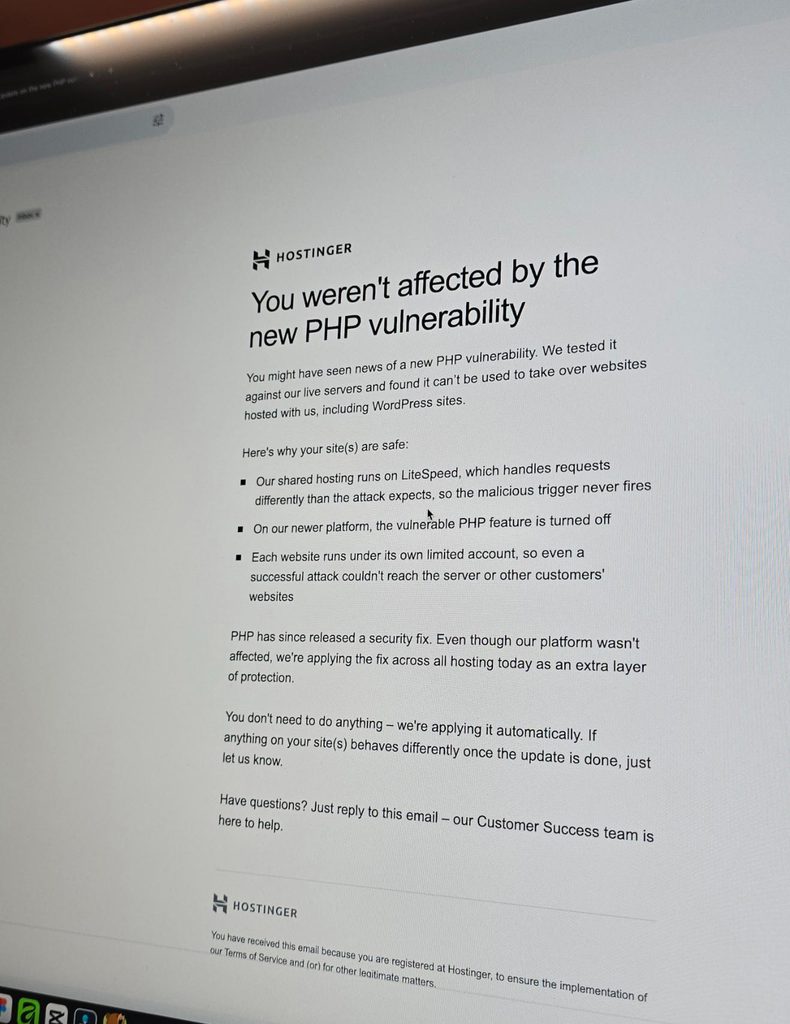
I guess getting good hosting isn’t so bad after all. That assurance really helps in this kind of issue.
It’s been a while since I worked outside of WordPress. Just finished a Wix project for a healthcare practice, working on some of the design refinements and consistency fixes.
The way you build on different platforms really does differ.
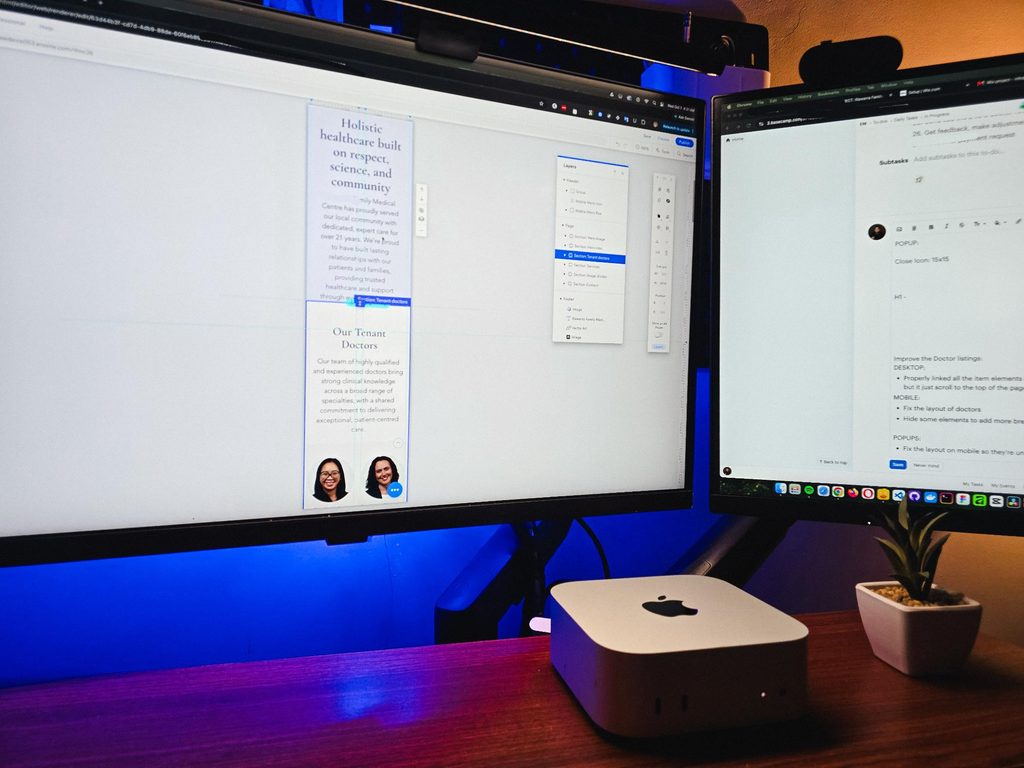
I guess that’s one of the harder parts of freelancing, you need to adapt fast. Enjoyed working on it though.
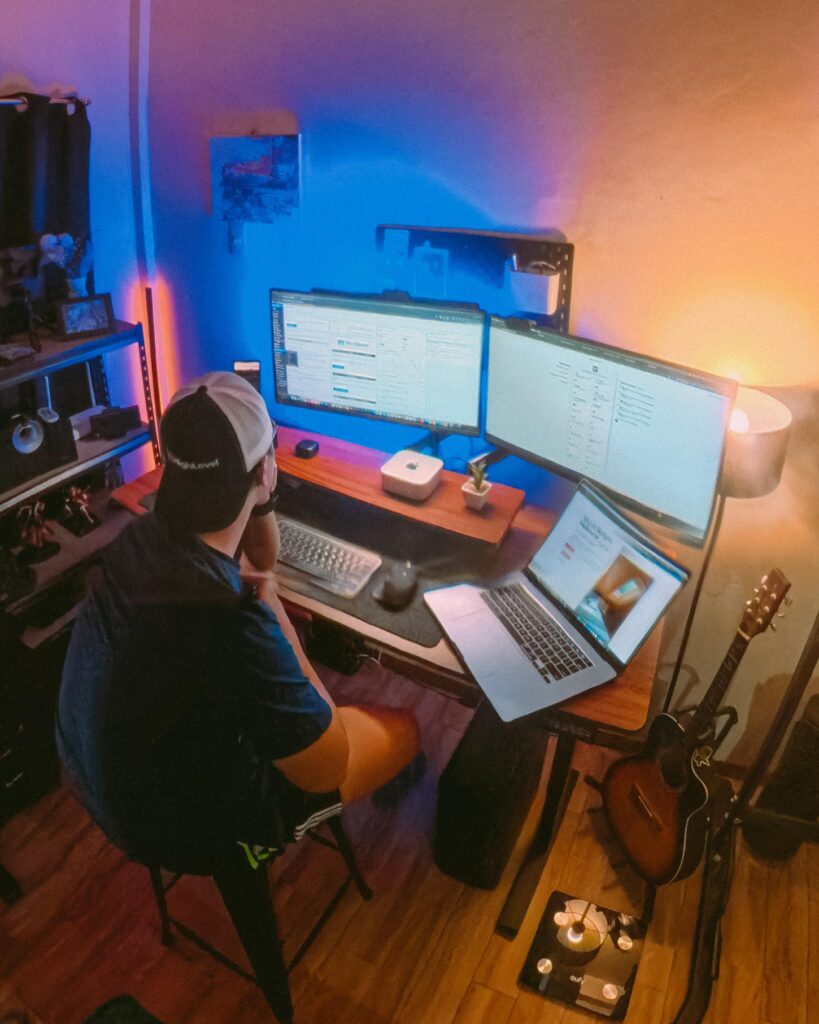
Recently visited my fiancée’s family, so I got some time off from this workstation and worked from somewhere else for a bit.
That’s one of the things I’m really grateful for with freelancing. You have the freedom to bring your work anywhere and get a change of scenery when you need it.
But yeah, good to be back at this little workspace!
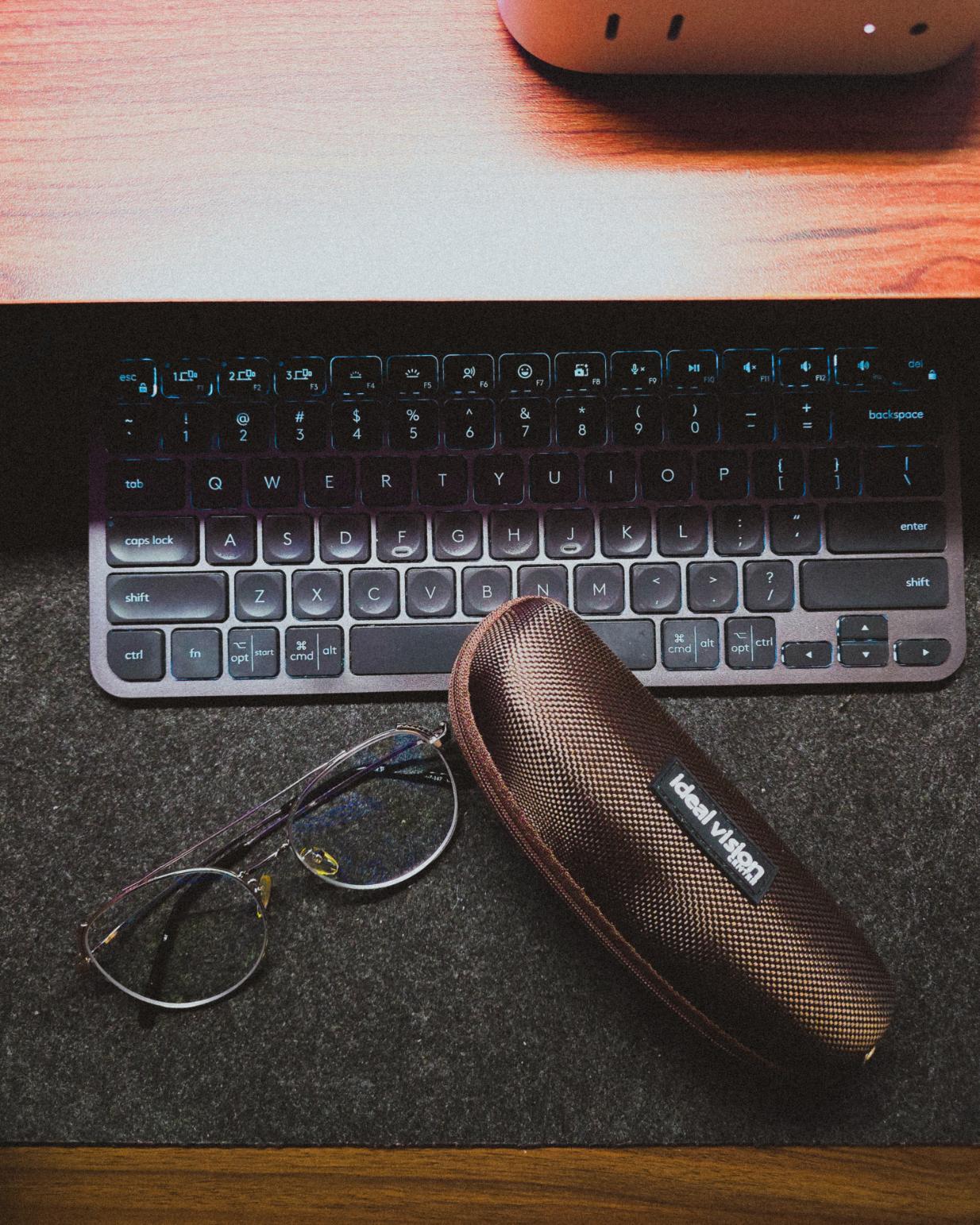
Got my new eyeglasses! Been trying to take better care of my eyes since they take the most stress in this kind of work. So I make sure to get them checked from time to time.
Also, I always go with transition lenses. Just being practical 😅
Classy and functional at the same time!

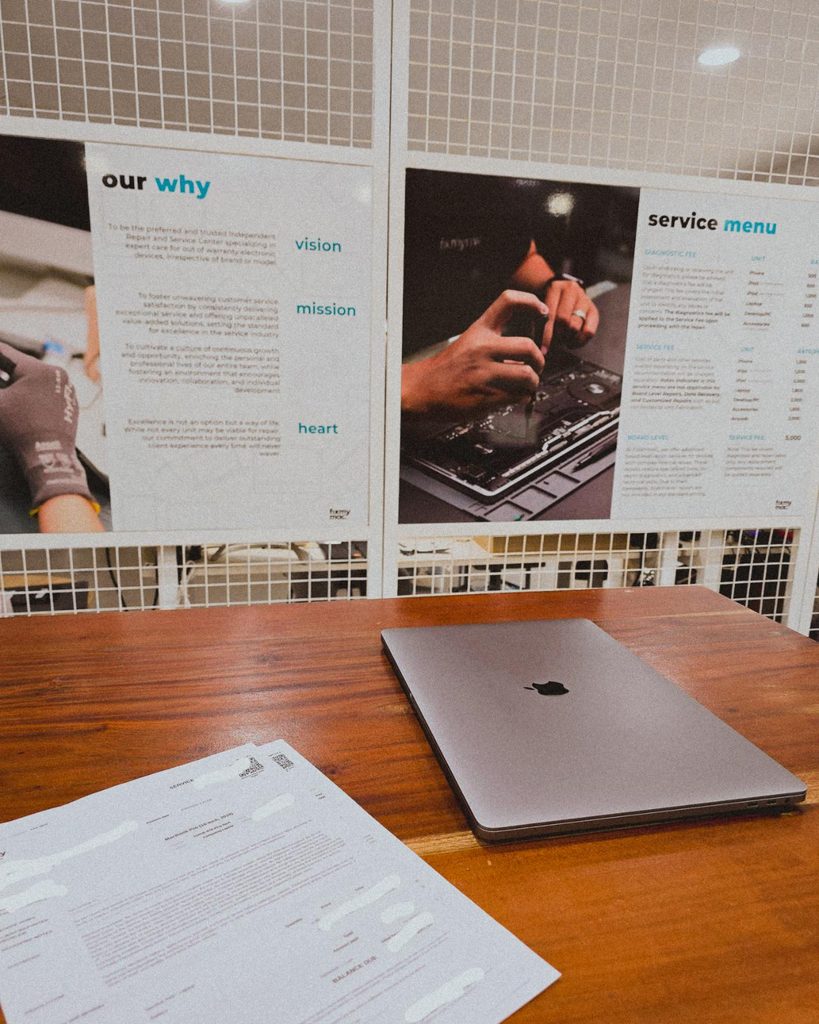
Being a freelancer taught me that you need a backup for everything. Projects, internet, even your computer 😀. Since my main machine is a Mac Mini running the M4 chip, I just needed this laptop repaired as a backup.
But with all the AI integrations these days, PCs and laptops are getting expensive. Even the repairs!
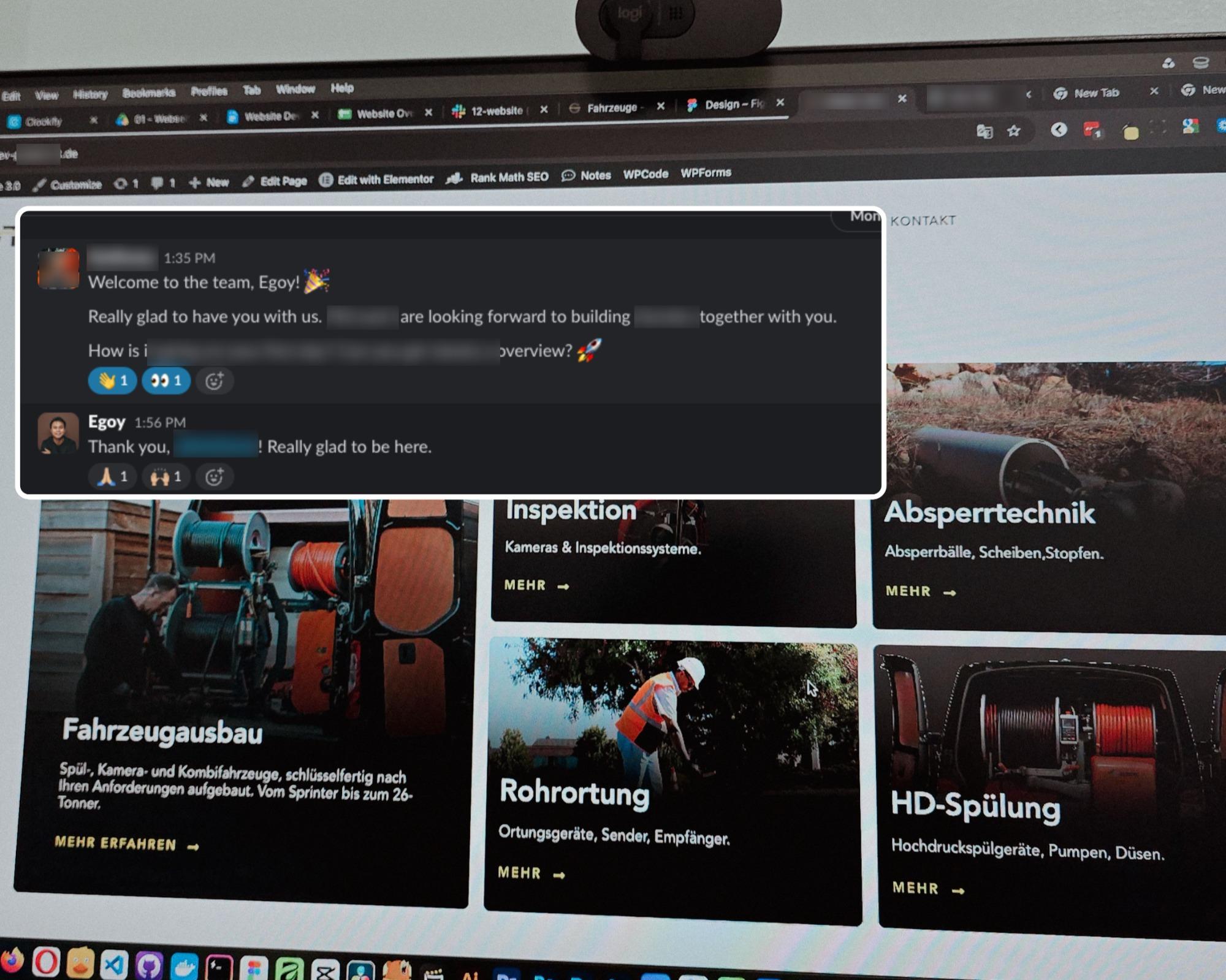
I’m continuing an Elementor project, and I can see myself building custom solutions around it again.
For growing sites with heavy dynamic data and conditional layouts, it’s not really its strongest area.
But it’s still great for marketing sites and for less technical users. Also noticed it now has an MCP, which is a nice plus if you’re using AI.
8 structured data systems in one project. Connecting and strategizing everything so it all works from day one.
I guess freelancing feels fulfilling once you’re done with this kind of project. But the process behind it? That’s a bit overwhelming.
This time I’m not starting from scratch though, the previous provider left it at about 15% progress so I’m just picking up where they left off.
The only real challenge? The language. Shifting from English to Deutsch 😅
Hallo zusammen 👋
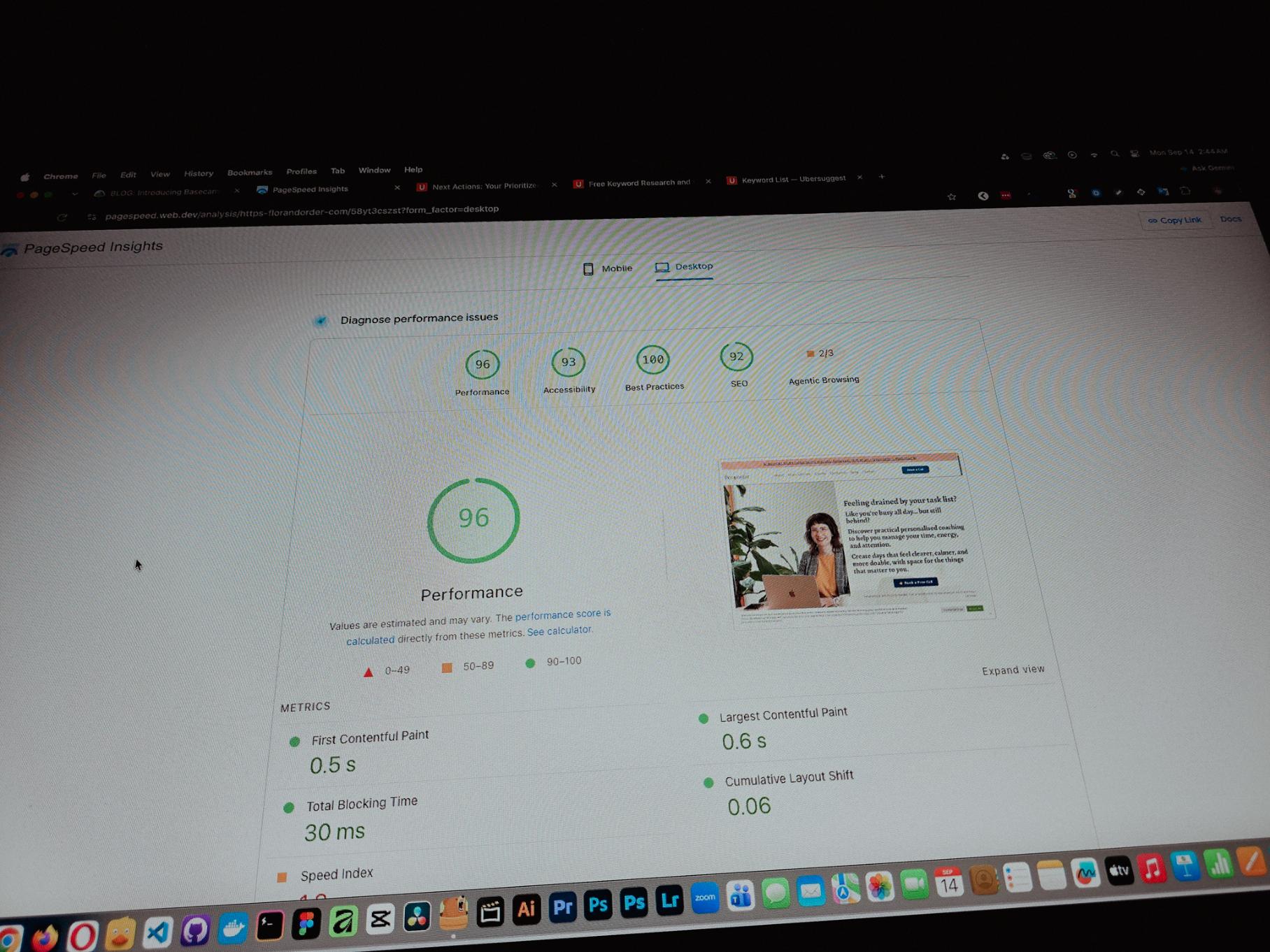
Currently working on one of my monthly site care tasks, checking the speed of a client site. And it’s still performing well. These routine checks don’t look exciting but they keep things running the way they should.
Speed is one of the hardest things to improve on a website because there are so many factors like server, how the pages are built, and the tools used to build them. But I’m still glad I was able to improve this one.
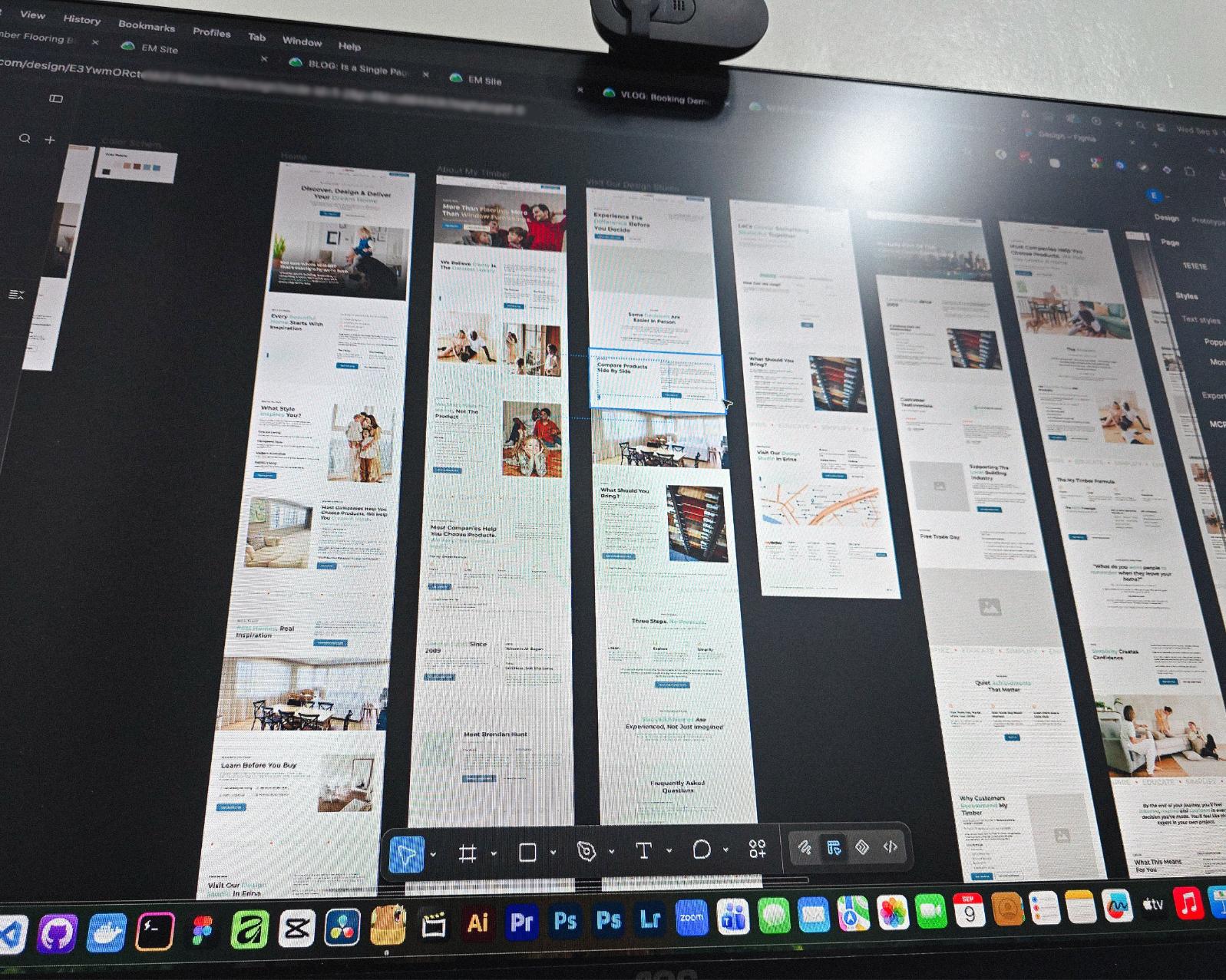
One thing you can’t really control when handling projects is the timeline. It can shift at any point, especially when you’re working with trade businesses.
I’ve tried the more popular ones, but Basecamp is still one of the most straightforward tools out there.
Btw I’m almost done with a new post on how I onboard client projects using it.
Since I left my corporate job last year to go full-time freelancing, I’ve been putting a lot more effort into this website.
Just added a new post and it got indexed almost immediately.
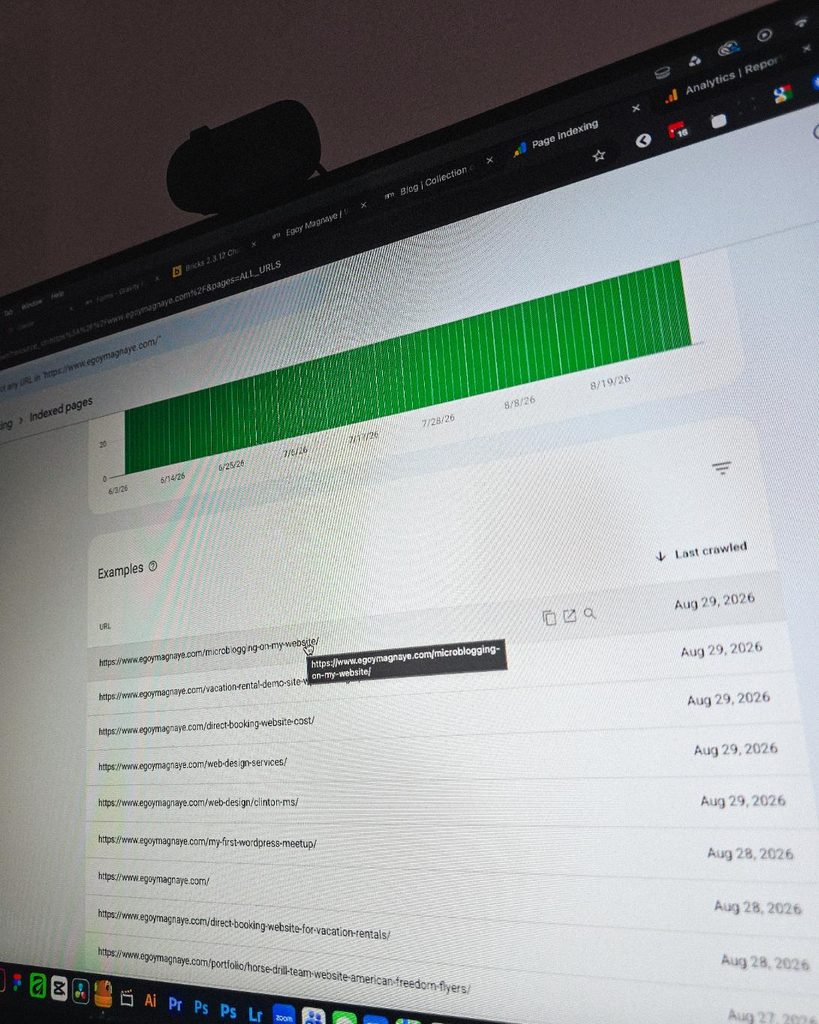
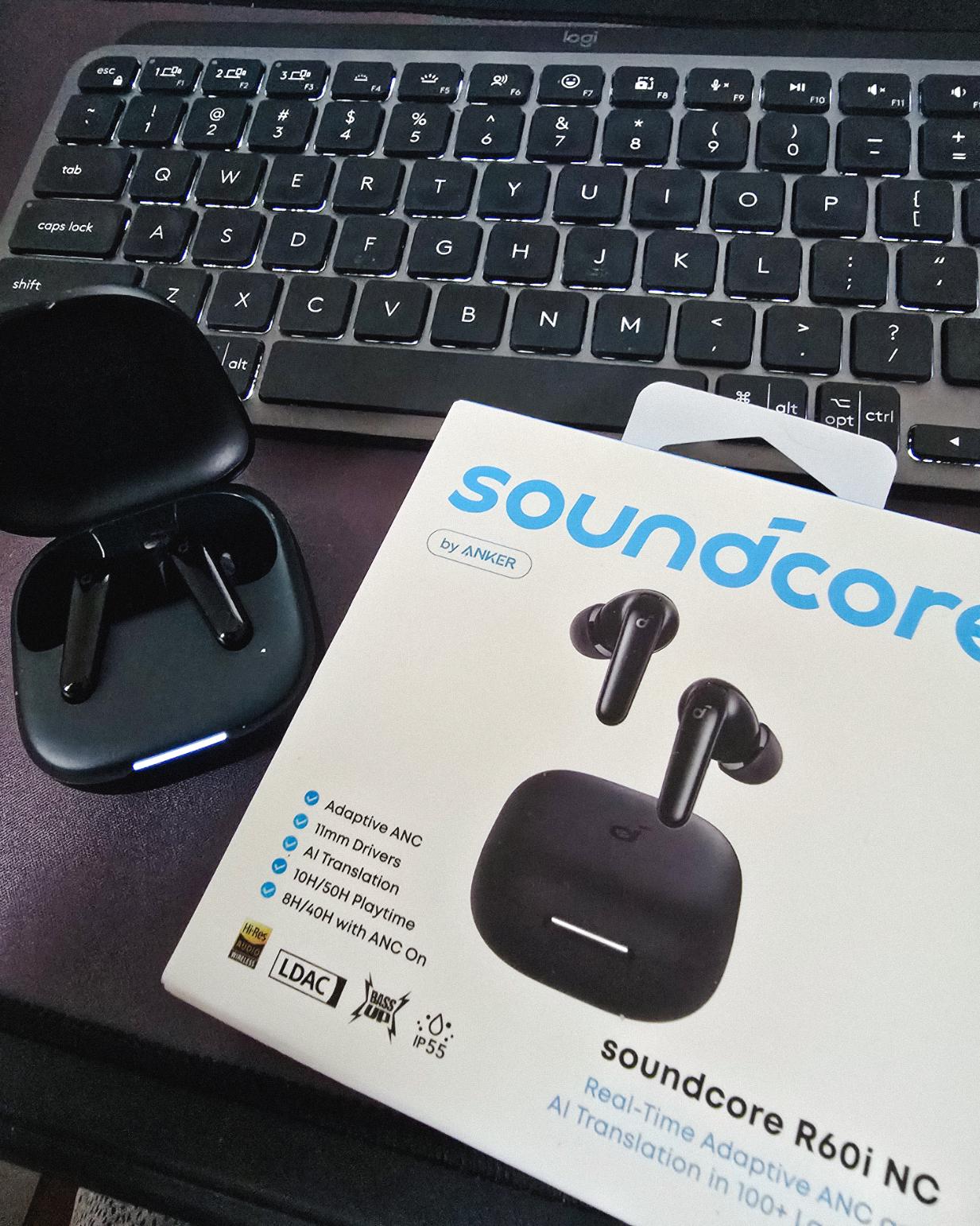
Got my new earbuds from Anker and I’m really liking the noise cancellation so far. Been using the one from Baseus for 2 years and it finally needed a replacement.
Looks small but this pair really helps when I need to focus.
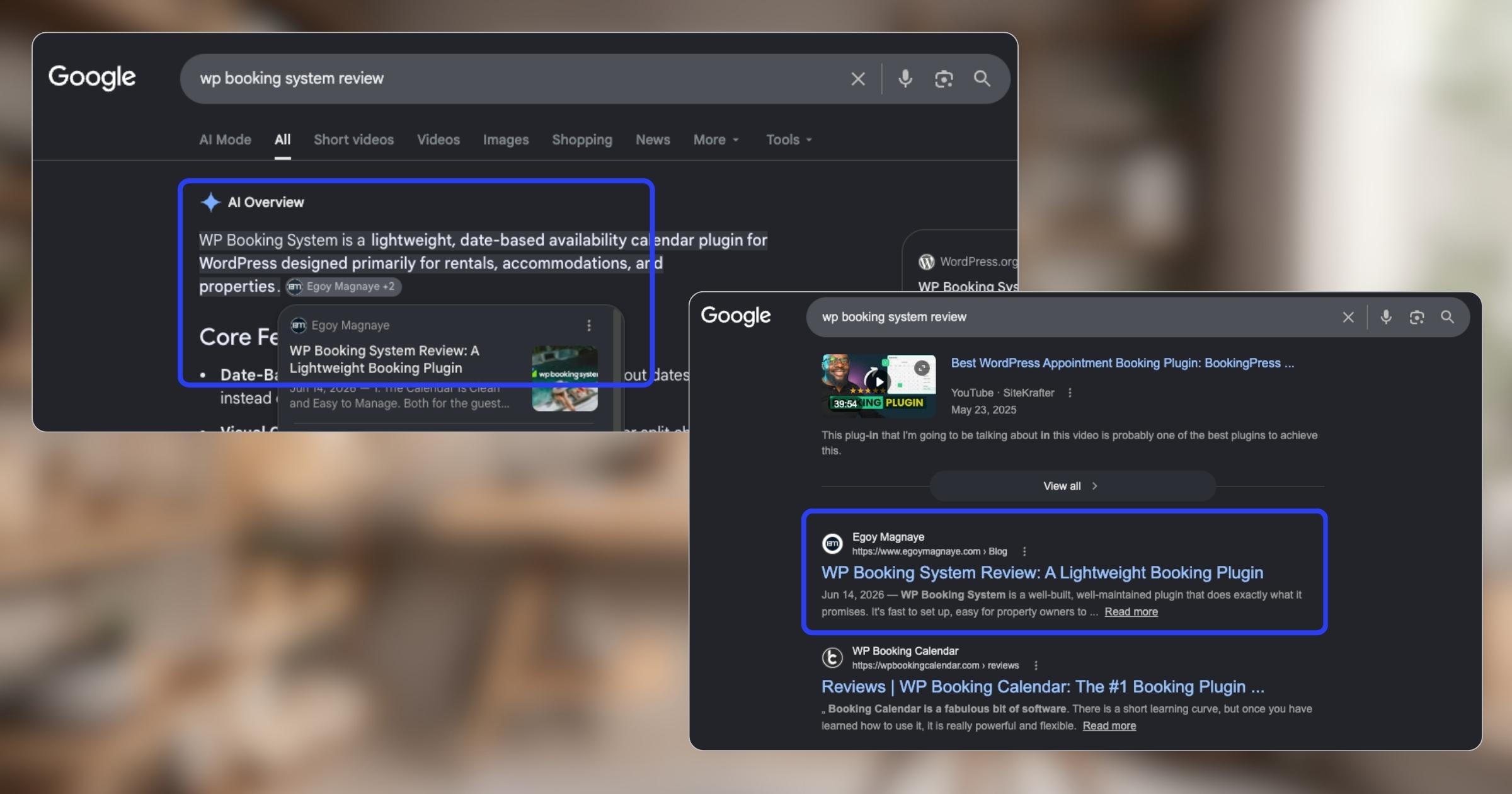
My WP Booking System review is now showing up in AI Overviews and SERP, just like my Bricks Builder one. Been ranking for both too.
Found some old clips of my website designs done on Adobe XD. Different versions of my site over the past 10 years. A lot of testing and trial and error. It’s been a journey.
Had to switch to Figma with all the issues around XD being phased out.
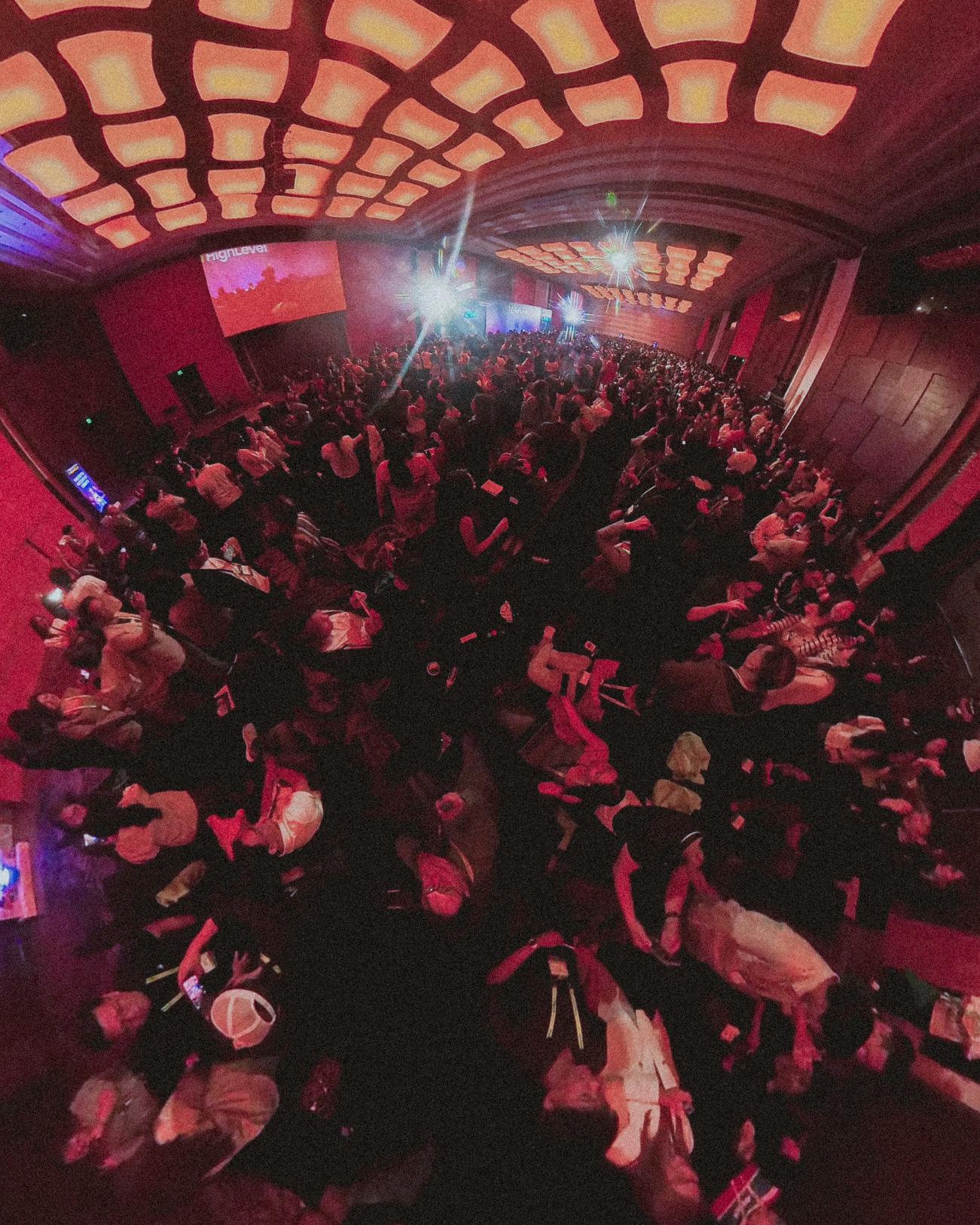
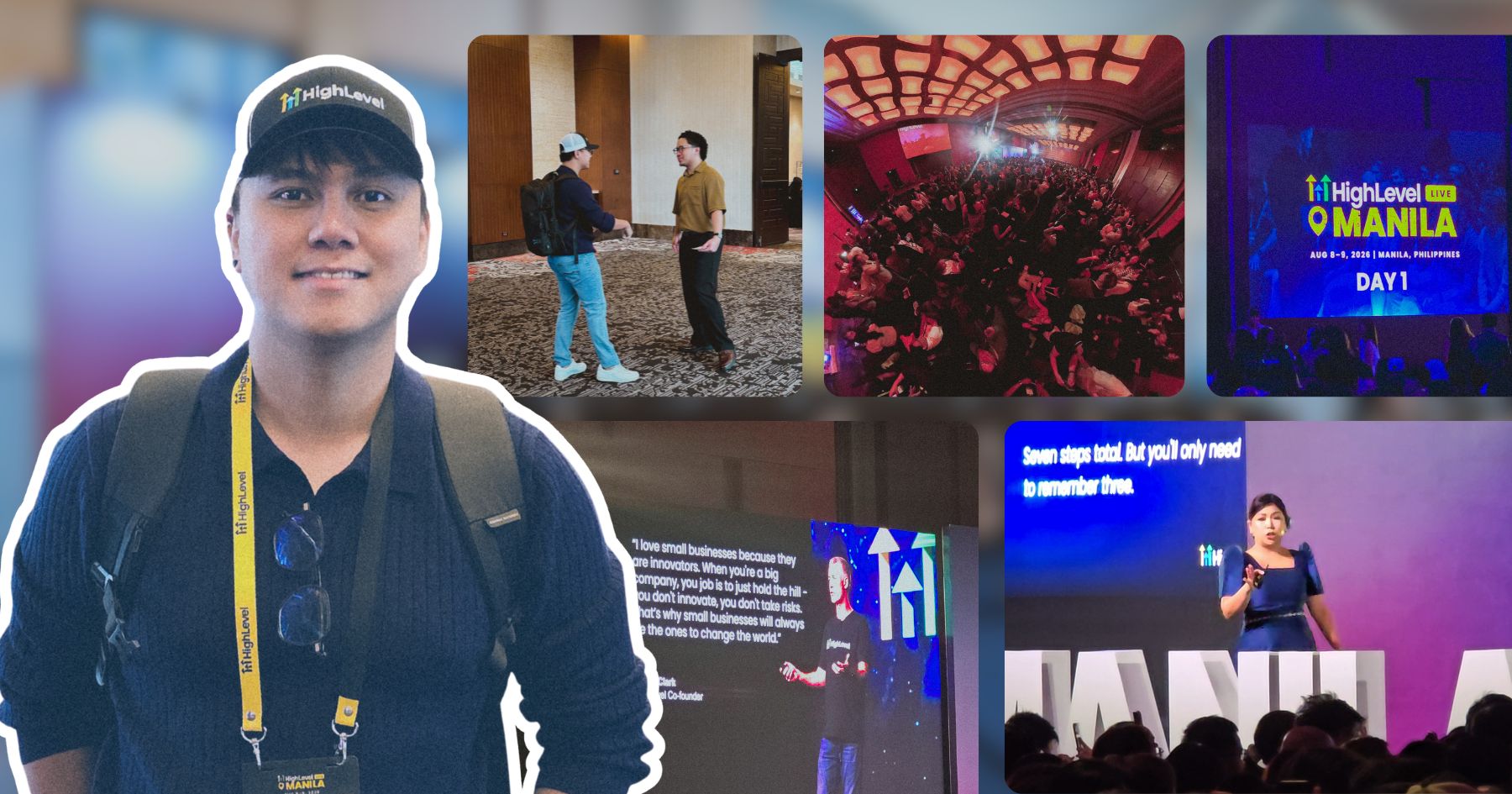
I can’t remember if they’re going to post recordings of the 2-day event, but I was still able to gather some insights from my phone and memory 🙂
Here’s the new blog about HighLevel Live Manila.
Since I’ve already added more than 10 notes, I can say I’m really liking this new feature on my website.
See the full post on why I added microblogging to this website.
Nah maybe a discount 😅
But seriously, if you’re going with WordPress, at least use a solid page builder like Bricks (my bias), Beaver, Divi, or Elementor. Launching a site is just a small part of it.
Building new pages and optimizing over time is the long game, and your site builder matters for that.
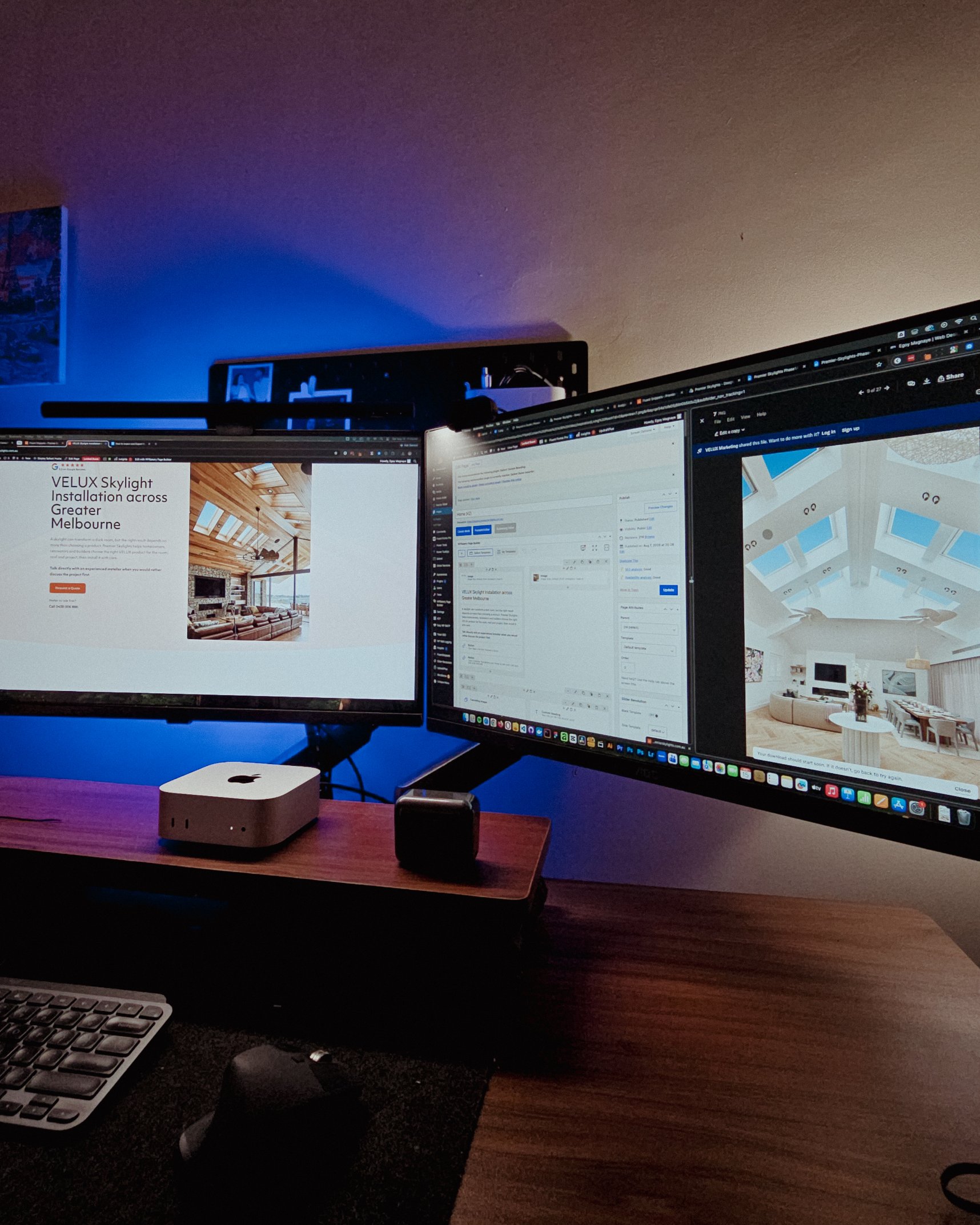
Looking at these skylight photos all day got me thinking. What’s it like living in a house with a transparent roof like that? Then I imagined having one here in PH. Sounds great when it rains. Then summer hits 😂
jk, these skylights are actually automated and packed with features.
Reader Disclosure
Disclosure: I may occasionally include affiliate links in my posts or pages. If you click on one of these links and make a purchase, I may receive a small commission, which helps me keep this website running and create more useful content. However, this does not affect my opinion on the product or service in any way. I only recommend products and services that I truly believe in and use myself.
I recently built a booking system for a local hotel and resort website, and it gave me a much clearer picture of why vacation rental and short term hosts need a direct booking website. Although the host I’m currently working with is still planning to list their property on Airbnb, they’re already benefiting from having their own booking system in place.
So in this post, let me break this down for anyone who’s hosting guests (or planning to) and has never really thought about what it is, what it does, and why it might be worth having.
A direct booking website is a website you own where guests can find your property, check availability, and book a stay. No middleman platform. No commission fees going to a third party. Just your property, your site, your booking system.
Think of it like this: Airbnb is a shopping mall. Your listing is one of hundreds of stores inside that mall. Guests walk in, browse around, maybe compare a few options, and eventually pick one. The mall takes a cut of every sale. You don’t control the foot traffic, the layout, or even how your “store” looks beyond what the mall allows.
A direct booking website is your own standalone shop. You decide what it looks like, what information guests see first, how the booking process works, and you keep far more of the revenue.
That doesn’t mean you have to leave the mall. Plenty of hosts use both. But having your own shop gives you something the mall never will: control.
Fair question. And honestly, if Airbnb is working well for you and you’re fully booked year-round with zero complaints, you might not feel the urgency. But here are a few things worth thinking about.
Airbnb charges hosts a service fee on each reservation. Booking.com takes a percentage too. These aren’t small numbers when you add them up over a year. With a direct booking website, guests book with you directly. No platform fee. The booking revenue is yours.
This is the part that catches people off guard. If Airbnb changes their algorithm, updates their policies, or suspends your account for any reason, your listing disappears. Your reviews, your photos, your calendar, all of it lives on their platform. You’re building on rented land.
On Airbnb, your listing looks like every other listing. Same layout. Same font. Same review format. You can write great copy and upload beautiful photos, but you’re still working inside someone else’s template. A direct booking website lets you tell your property’s story the way you want to tell it.
I imagine this one frustrates a lot of hosts. A guest stays at your place, loves it, and wants to come back next year. On Airbnb, they rebook through the platform, and Airbnb takes another commission. With your own site, you can send that returning guest a direct link. They book with you. No middleman the second time around.
Give your guests a way to book directly with you, so you keep more revenue and build real relationships from the first reservation.
Includes 3 months of Site Care + a Personalized Growth Guide
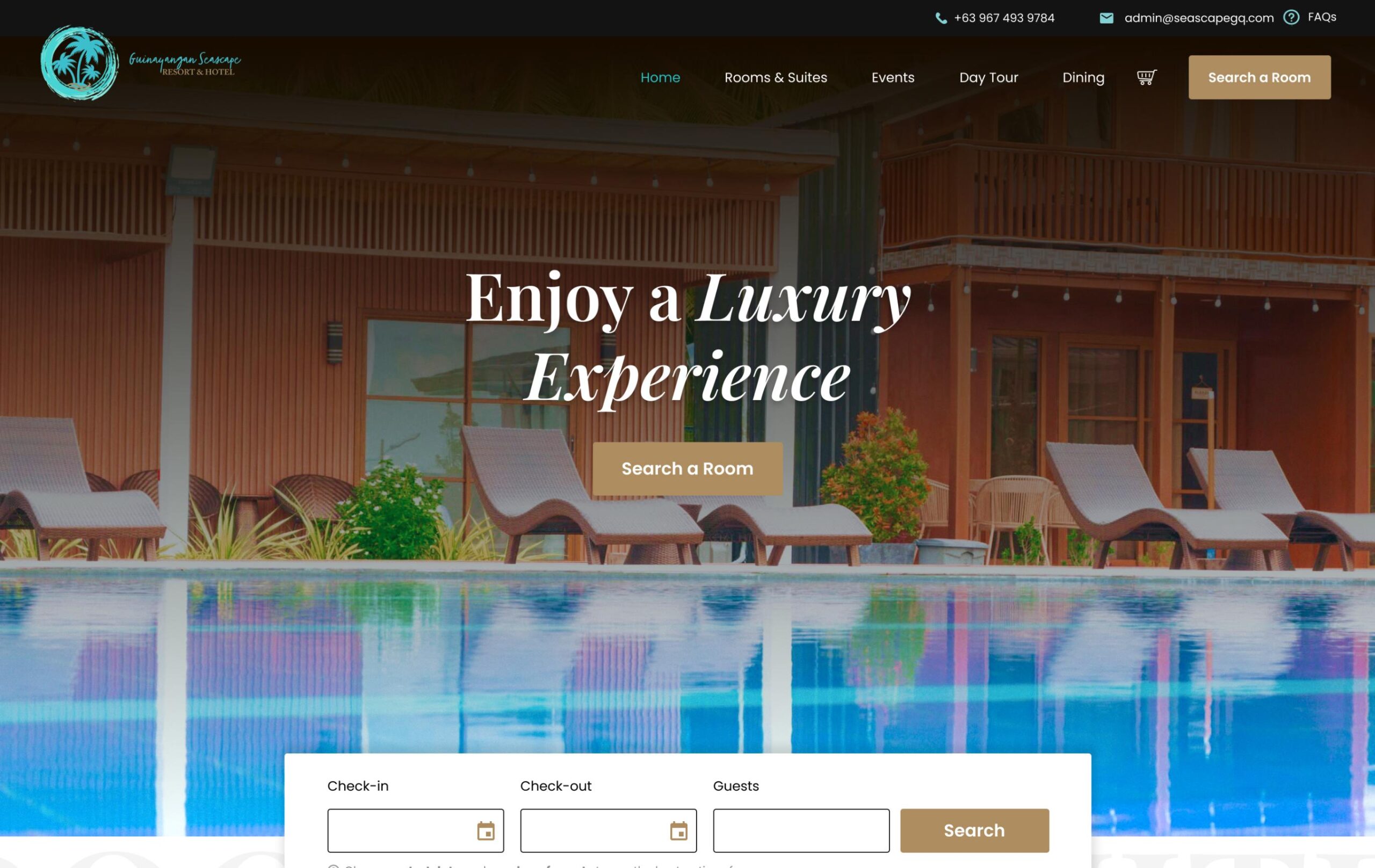
If you’ve never seen one outside of the big platforms, you might be imagining something complicated. It’s not.
At its simplest, a direct booking website has:
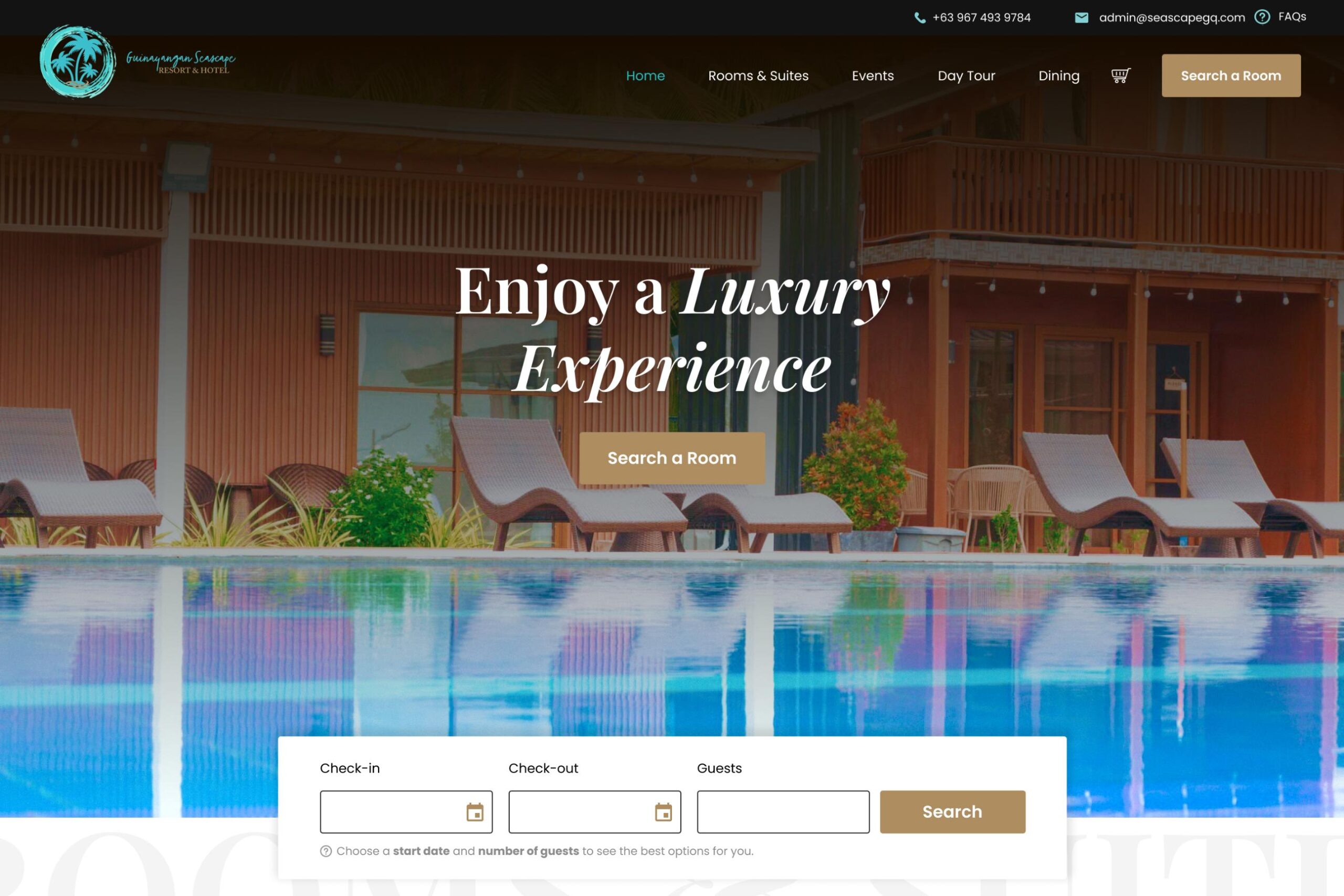
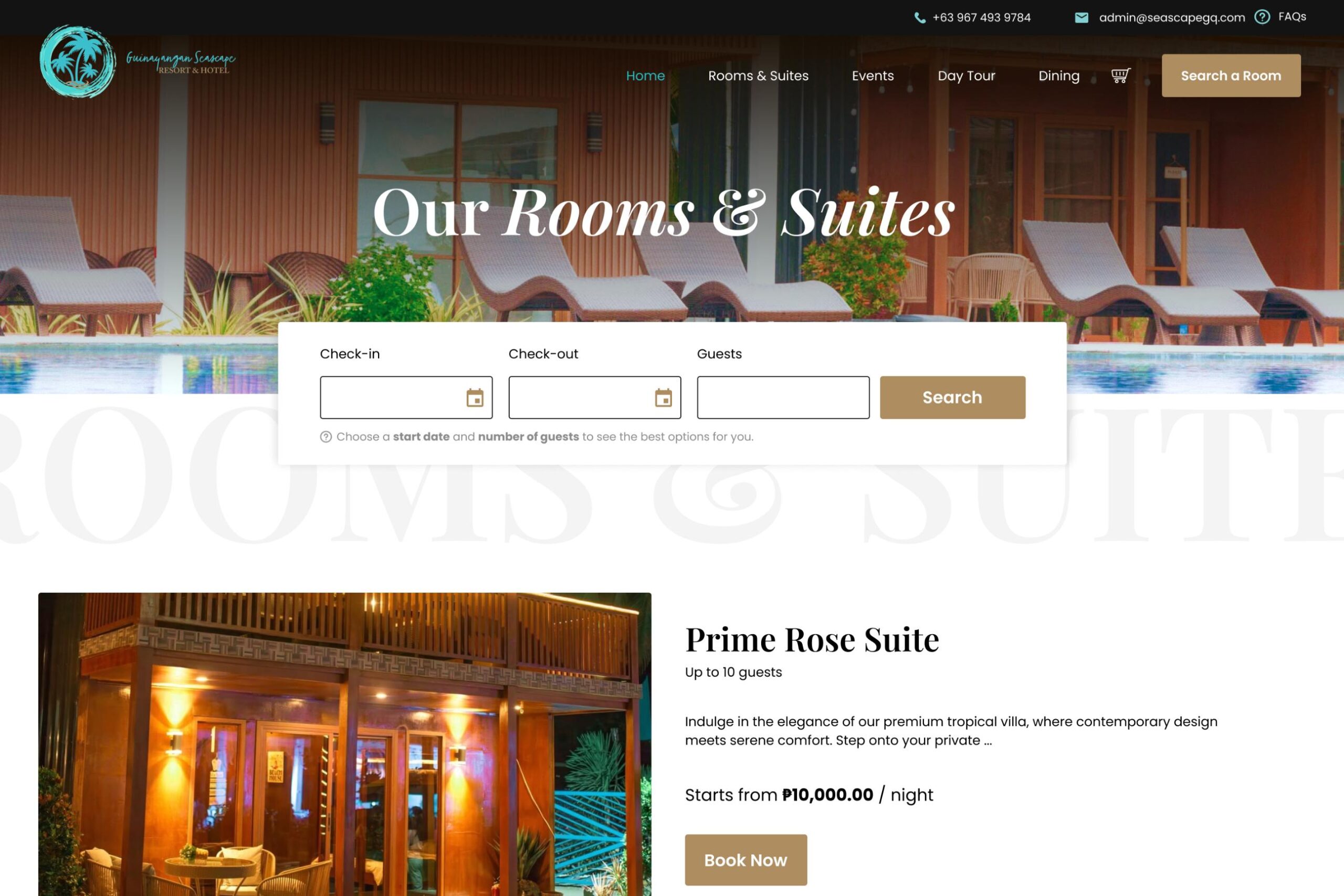
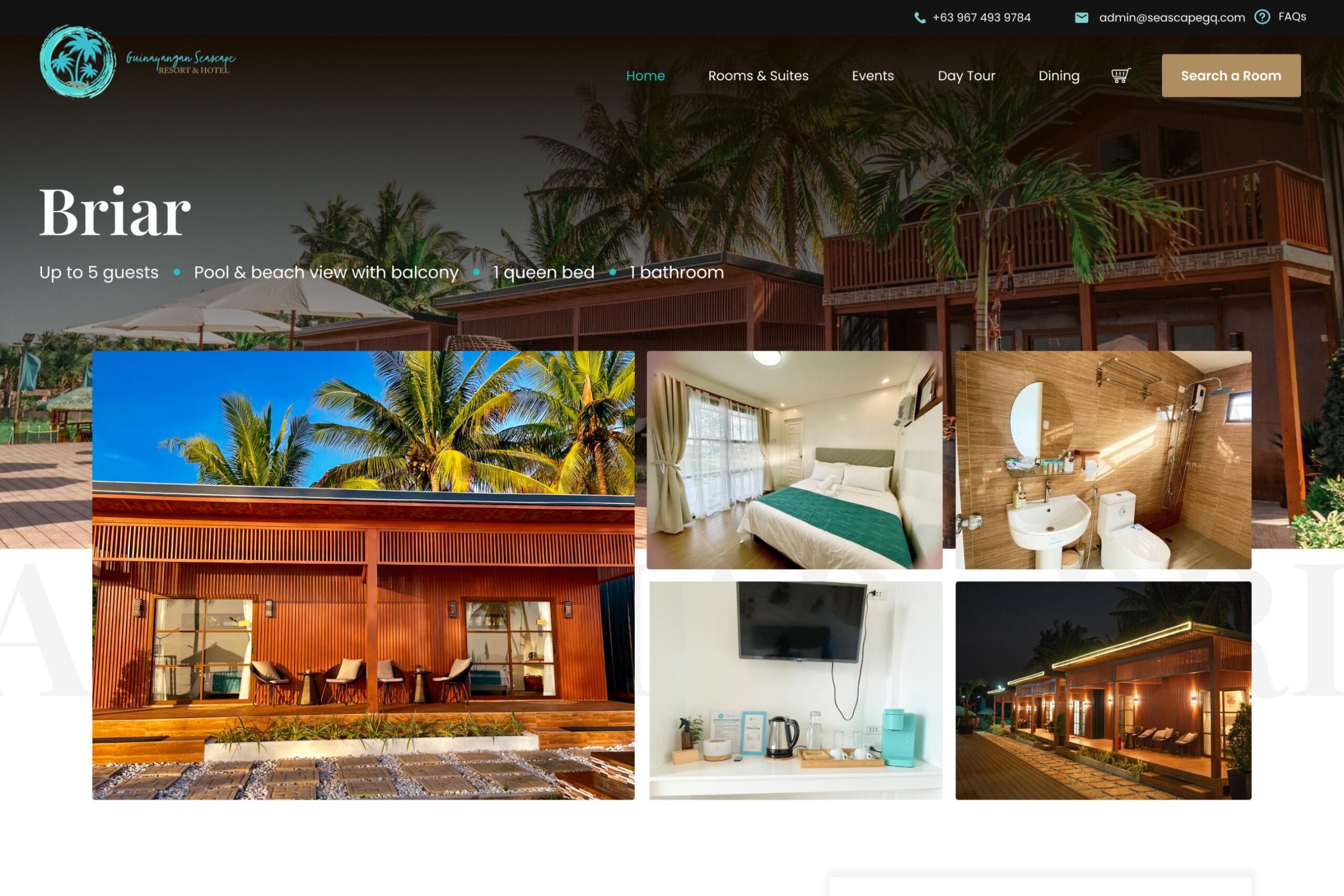
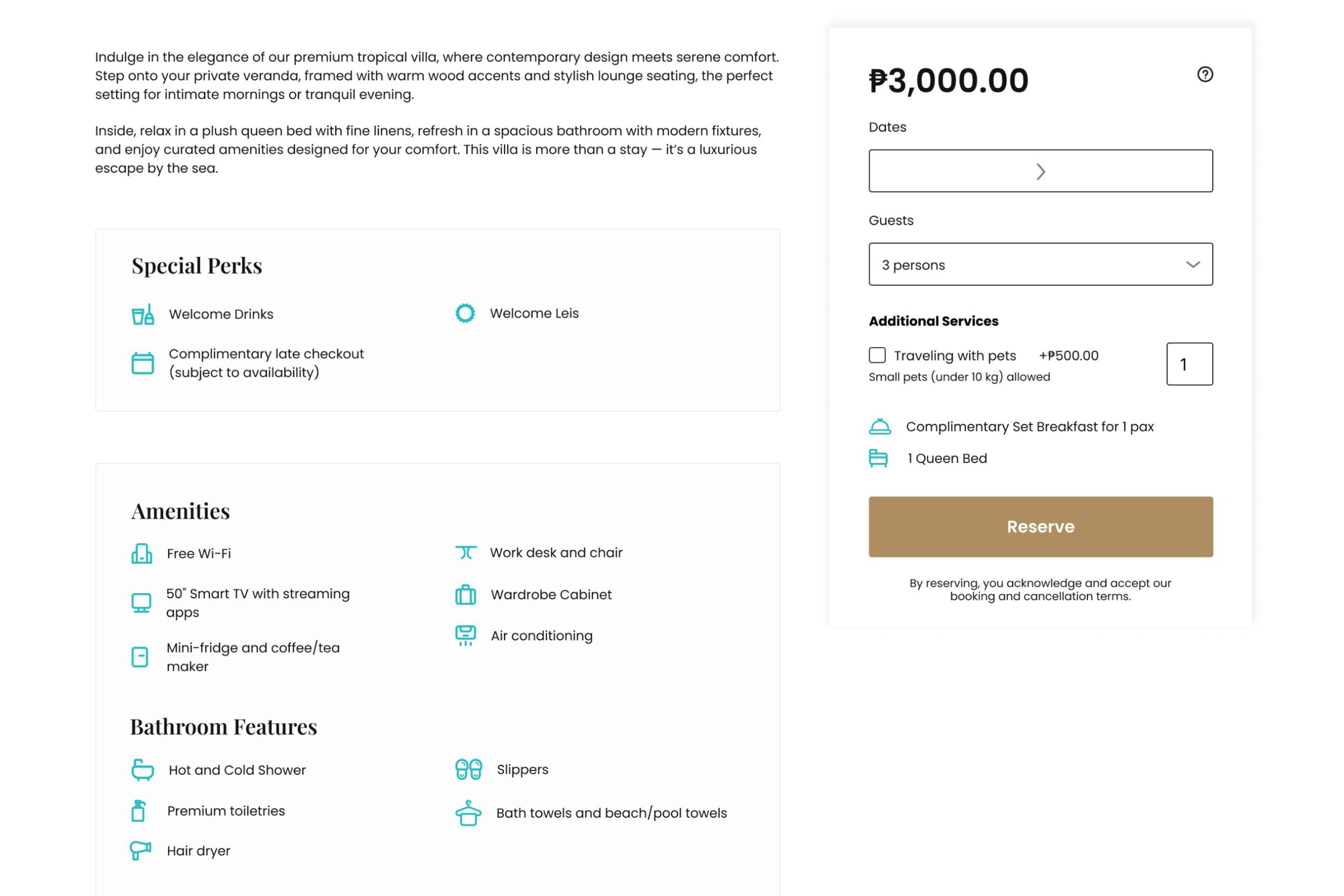
That’s the core. Some hosts add more over time: a blog, guest testimonials pulled from other platforms, an FAQ section, local area guides. But you don’t need all of that on day one.
One of my clients, Seascape Resort and Hotel, is a good example. They’re a local beachfront property in Quezon, Philippines. Their website is their primary booking channel. Guests find them through search, visit the site, and book directly. It works because the site gives visitors everything they need to make a decision: clear photos, room details, rates, and a straightforward way to reserve.
I wrote a full walkthrough of how the new Seascape booking system works if you want to see what a real direct booking setup looks like in practice.
The idea of having your own website sounds like it involves a lot of technical stuff. Domains, hosting, plugins, updates. It can feel overwhelming if you’ve never dealt with any of it.
Here’s the thing. You don’t need to be technical to have a website. You need to be technical (or hire someone who is) to build one. But once it’s built, managing it day to day is closer to updating a social media profile than writing code.
The one I use for building direct booking websites is WordPress, which powers roughly 40% of all websites on the internet. It’s not new, it’s not experimental, and it’s not going anywhere. The booking functionality comes from a plugin, a small add-on that extends what WordPress can do.
The technical setup, the domain, the hosting, the theme, the booking plugin, that’s a one-time thing. After that, you’re mostly just updating photos, adjusting rates, and responding to bookings.
If you want to see a working example of a direct booking site before building your own, I put together a vacation rental demo using WP Booking System that you can click around and try.
This is where a direct booking website starts to look really attractive compared to platform commissions.
I won’t go into the full breakdown here because I wrote a dedicated post on the cost of running your own booking website. But to give you a quick idea: a WordPress-based direct booking site typically costs around $200 to $300 per year to run. That covers your domain, hosting, booking plugin, and a few essentials.
Compare that to the 3% to 15% commission you’re paying per booking on platforms like Airbnb or Booking.com. If your property does even a modest amount of business, the website pays for itself quickly.
Your own booking system, your own guest data, and less reliance on OTA commissions. It works alongside platforms like Airbnb, not against them.
Includes 3 months of Site Care + a Personalized Growth Guide
I want to be clear about this because I think it’s where a lot of hosts get stuck. Having a direct booking website doesn’t mean you have to delete your Airbnb listing.
Most hosts use a hybrid approach. They keep their listings on the major platforms to stay visible and attract first-time guests. But they also have their own site, so when a guest wants to rebook, or when someone finds them through Google or social media or a friend’s recommendation, there’s a place for that person to go that doesn’t involve a platform taking a cut.
Over time, as your website builds authority in search engines and your repeat guest list grows, you might find that a larger share of your bookings come directly. Some hosts eventually reduce their platform presence. Others keep both channels running indefinitely. Either way, having your own site gives you options.
Direct booking websites aren’t just for big resorts or hotel chains. They work for:
If you have a property and you’re accepting guests, a direct booking website is worth considering.
I build direct booking websites for vacation rental hosts. If you’re thinking about setting one up, or if you’re curious about what it would look like for your property, you can check out my vacation rental web design service to see how I approach it.
If you’ve read this far and you’re thinking, “Okay, maybe I should look into this,” here’s what I’d suggest.
First, don’t overthink it. A direct booking website doesn’t need to be perfect on launch day. It needs to exist, look professional, load fast, and let people book. You can refine it over time.
Second, decide whether you want to build it yourself or hire someone. If you’re comfortable with WordPress and don’t mind spending a few weekends learning, you can absolutely set up a basic site on your own. If you’d rather have it done right and done fast, hiring a developer who understands both WordPress and the vacation rental space saves you a lot of trial and error.
Also, if you don’t want to hire someone or don’t want to setup it yourself, you can always go to popular direct booking website service providers like Lodgify (not sponsored by the way), you have that option as well.
Third, think about your domain name. Ideally it’s your property name or something close to it. Check availability early. A clean, memorable domain makes a difference.
And finally, start telling your existing guests about it. If you already have an Airbnb listing with reviews and returning guests, your website’s first visitors should be the people who already know and trust your property. Send them the link. Offer a small incentive for booking direct. That’s the fastest way to get traction.
The platforms aren’t going anywhere. But your dependence on them doesn’t have to stay the same either.
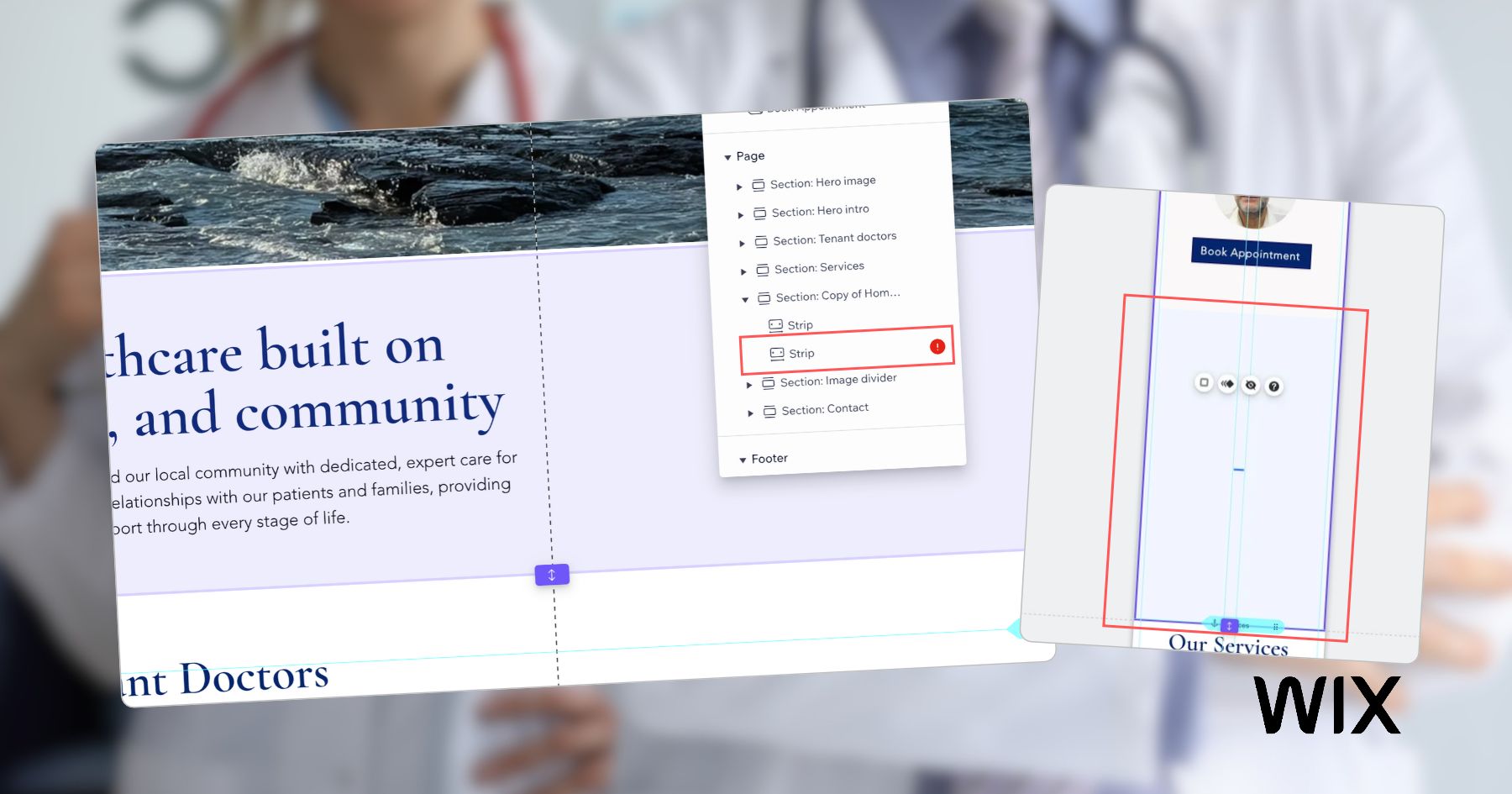
A quick method for finding and removing the hidden strip causing unnecessary white space between…
How my web design client onboarding stays organized from day one using Basecamp & what…
I just went there hoping to learn something new, but the 2-day event turned out…